Sign up for the Nieman Storyboard newsletter, delivered every Friday in your inbox.
***
Dear Storyboard community:
Last year, Storyboard contributor Mallary Tenore Tarpley took us through her personal story of navigating “the middle place” in illness and recovery — the place where storytelling often oversimplifies the journey or seeks tidy narratives. Her deeply reported memoir, “SLIP: Life in the Middle of Eating Disorder Recovery,” uses her childhood journals to chronicle her diagnosis and treatment for anorexia following the death of her mother from breast cancer when Tarpley was 11 years old.
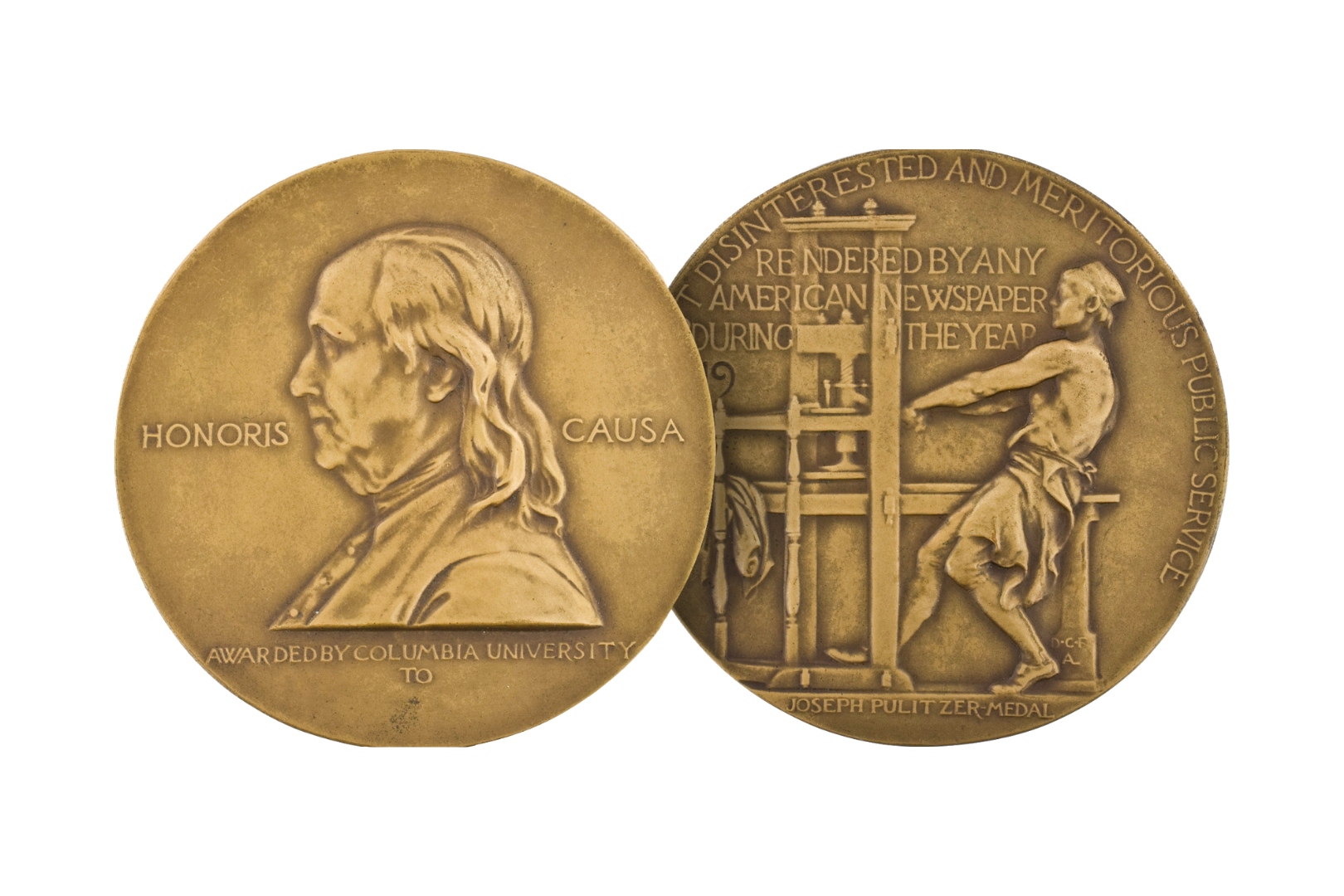
This week, Tarpley is back with a new story annotation about illness and recovery, written by Rachel Aviv of The New Yorker. In “Mary Had Schizophrenia and Then Suddenly Didn’t,” Aviv tells the story of a woman diagnosed with schizophrenia whose symptoms disappeared 20 years later, after her treatment for cancer. Aviv’s story was named a Pulitzer Prize finalist for Feature Writing earlier this month, and for Storyboard she shares how she restructured the piece only five days before publication.
The story goes deep into Mary’s life with her daughters, Christine and Angie, as they tried to make sense of their mother’s illness. Aviv quotes from the journal Christine kept as a teenager: “My mom has erotomanic delusion disorder with a splash of persecutory delusions.”
This is key to Aviv’s work: her ability to build trust and connection with her sources, such that they feel comfortable sharing highly personal information like medical records and journal entries. In her New Yorker story “Alice Munro’s Passive Voice,” published in 2024, Aviv worked closely with the author’s daughter and included personal letters about suffering sexual abuse by Munro’s partner.
After they read that piece, “I think [Mary’s daughters] were familiar with my approach, and that helped a lot,” Aviv told Tarpley. “Christine had this archive of childhood materials that she’d been keeping. She jokes that it was like she had been waiting her whole life for a fact checker.”
The result is a nuanced portrait of a life with mental illness, what happens when that illness mysteriously goes away, and a possible breakthrough connected to an autoimmune disorder treatment.
Tarpley tells Storyboard that Aviv’s work provided inspiration for how she wrote about recovery in her own book. "Aviv’s New Yorker story about the Newtown Bee [the local newspaper that covered the Sandy Hook school shooting] was the impetus for my work on restorative narrative,” said Tarpley. “The restorative narrative genre is what led me to then develop the middle place concept.”
For more story annotations featuring Rachel Aviv, check out our Storyboard archive:
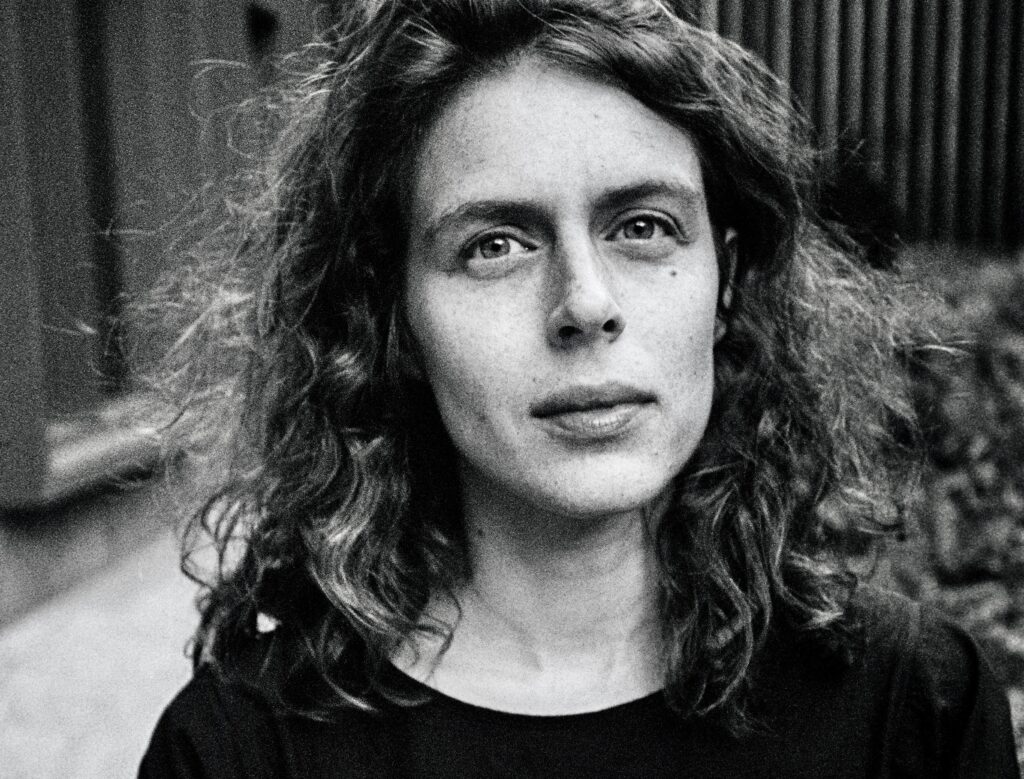
The New Yorker staff writer talks about finding the right story structure and working with a family to access medical records and journals.
[ Read the story ]
Links of note
- “It’s not what they say about your story. It’s what you ask them about it.” In his newsletter, writer-journalist Paul Kix offers advice for getting good feedback from your editor by asking the right questions. “It’s been a lesson I’ve learned much too late, not to get defensive when I get an edit: The pieces I’d written in the first 10 years of my career could have probably been vastly better. And not because the editor is always right. The editor is mostly right, at best. But the editor is always onto something.”
- The Rejection Questionnaire: Writer-filmmaker Naz Riahi has a new series in her newsletter, focusing on how writers and artists handle (and embrace) rejection. As author Shoshana von Blanckensee writes: “Receiving buckets of rejections is a skin-thickener. Over time, they become easier and easier. It helped me to reframe the rejections as stepping stones in the direction of a yes.”
- And a perfect final motivator: Author Jami Attenberg is kicking off her annual #1000wordsofsummer, which begins Saturday, May 30, and runs through June 12. The event, now in its ninth year, raises money for charity and brings writers together with a simple goal: write 1,000 words a day. People can share their work and progress on social media using the hashtag #1000wordsofsummer. As Attenberg writes in the FAQ: “Since I began writing books in earnest, I have used 1,000 words a day as my regular writing goal. It’s about four typed pages double-spaced. If I write 1,000 words a day, five days a week, give or take time for edits, research, and other job responsibilities, I can finish a messy-as-hell first draft in about six months. It usually takes me another six months to get it in enough shape to be able to share it with other people.”
Keep writing (at any word count), and keep sharing your stories,
Mark Armstrong
Editor
Nieman Storyboard
Follow the Nieman Storyboard Podcast
On Bluesky: @niemanstoryboard.org
Subscribe to Storyboard
Get insights into the craft of journalism and storytelling in your inbox, delivered on Fridays.
Follow the Nieman Storyboard Podcast
[ Follow us in Apple Podcasts, Spotify, or your favorite podcast app ]