Sign up for the Nieman Storyboard newsletter, delivered every Friday in your inbox.
***
Dear Storyboard community:
At a Longreads event several years ago in New York City, a magazine writer was asked about one of his most famous longform features. The story included a harrowing flashback sequence with many precise details, and the audience was curious about how a journalist could recreate it with such confidence and clarity.
“How did you report that scene?” someone asked.
“Well,” he replied, “there was a video.”
It was like a magician revealing the mundane secret behind his best trick. The story's terrifying and heart-pounding climax came from simply watching a video and writing what he saw.
This moment provided a memorable lesson for me: Many of the best writers are clever reporters. And reporting is more than conducting interviews and finding primary sources — it's uncovering long-buried archival material, observing details in photographs that others may have missed, and knowing how to shape all of it into a compelling story.
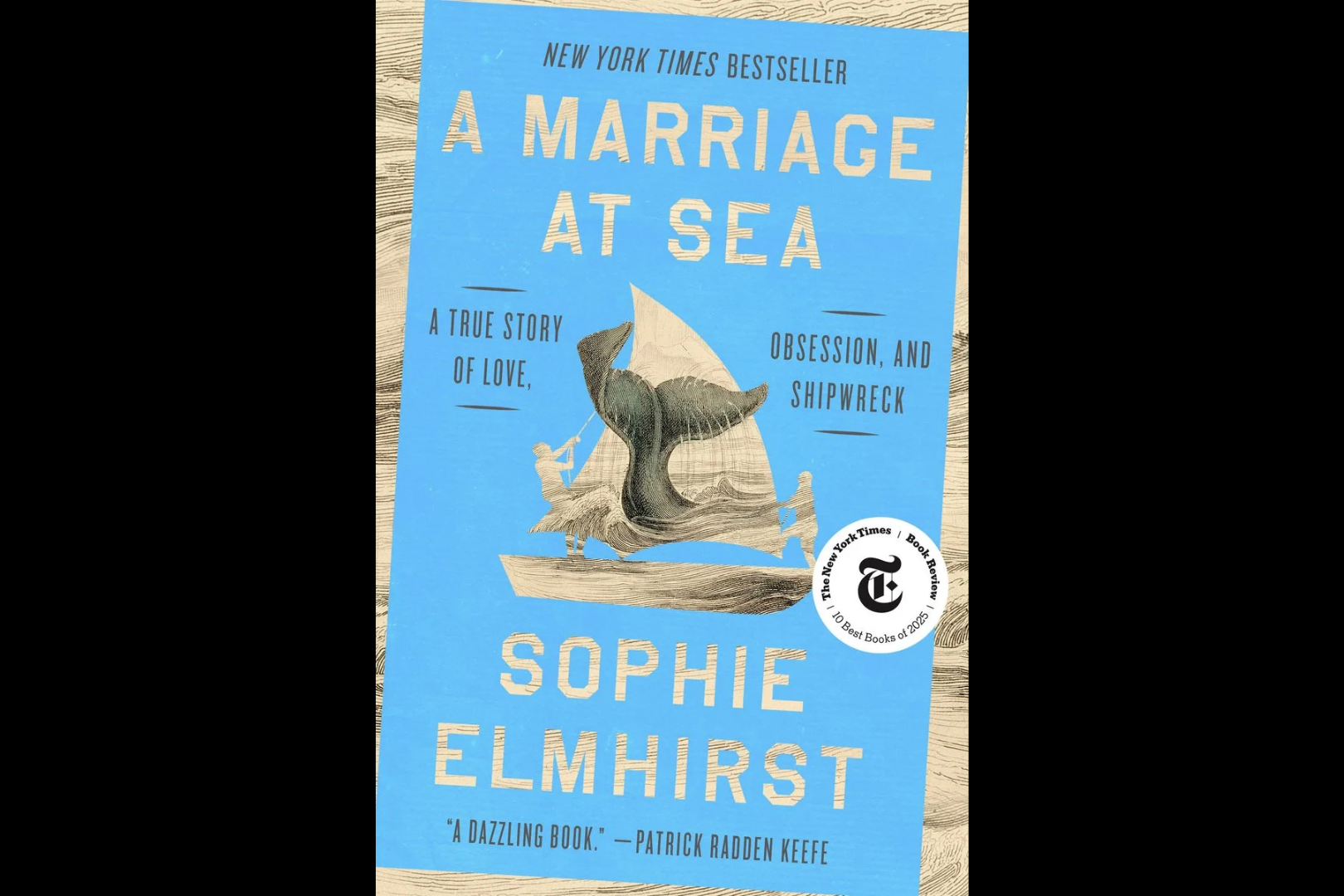
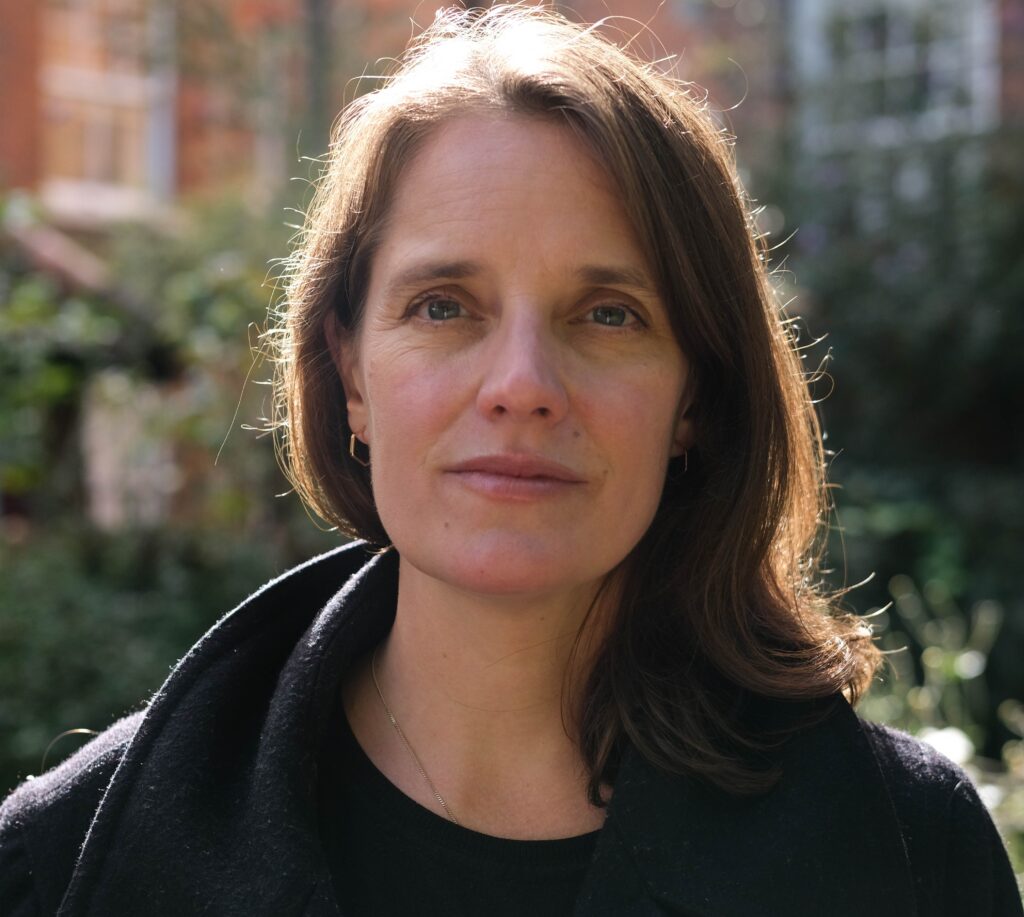
Author Sophie Elmhirst calls these elements the “shards” that every journalist should collect when writing narrative nonfiction. She speaks from experience: Elmhirst dug through an archive of personal diaries, photos, documentaries, and books to tell the story of a married couple, Maurice and Maralyn Bailey, who survived 118 days lost at sea in 1973.
Her resulting book, “A Marriage at Sea: A True Story of Love, Obsession, and Shipwreck,” became a runaway New York Times bestseller and was named a Best Book of 2025 by The New Yorker, NPR, TIME, Vogue, and The New York Times.
“You don’t find it as a perfect crystal vase. You find shards, and you have to fit them together,” she tells Storyboard contributor Mallary Tenore Tarpley. “You find a lot of waste material that doesn’t fit into the vase that you have to get rid of, and you do a lot of your own work to fill out the structure — to turn that shard into something.”
This week at Storyboard, Elmhirst speaks with Tarpley about making narrative magic from deep reporting and research, and she annotates the first chapter to take us through her reporting and writing process.
“In a way, the only way you could understand how tiny and vulnerable and lost they were was to zoom right out until you could hardly see them at all. Having that sense of scale added another layer to the intimacy and claustrophobia of their life on the raft, and this was what interested me most of all — the idea of living in such inescapable proximity to your partner while surrounded by the terror of infinite empty space.”
[ Read the story ]
Links of note
- At Long Lead's Depth Perception newsletter, journalist and documentarian Joi Lee talks about returning to the U.S. from Qatar to cover ICE's occupation in Minnesota. “I was living in New York when Trump got elected the first time, and I covered his election, his inauguration, and then soon afterwards, I took a job at Al Jazeera in Doha [Qatar]. This time around, when I was watching news from abroad, I had this feeling in my stomach of, ‘Oh, my god. If my job is to be part of this industry that is meant to document and to act as witnesses, then what is my responsibility as an American?’”
- New York magazine's copy chief Carl Rosen contemplates the “lexical touch-off,” the moment “when an unusual or unexpected word or phrase surfaces and everybody starts repeating it.” In this case, he's discussing the rapid proliferation of all things -maxxing (e.g. “looksmaxxing”) in our language and writing. “A few months ago, everybody maxed out (single x in all reference books) on its usage online, and by the time it began its migration to print, -maxx seemed in danger of flaming out. We did find a way to present it sparingly for greater effect, and it’s evolving into a lively intensifier — writers can absolutely, positively never, ever, get enough of those. But new is for now, not for the long run. That’s why I believe -maxx will eventually join shizzle in the Scrapyard of Surpassable Superlatives.”
- Congrats to Brendan O'Meara's Creative Nonfiction podcast, which is celebrating 13 years of interviews with authors and journalists (and started with a landline and a speakerphone). His advice to other writers, podcasters, and creators? “Double down on what makes you weird.”
Keep being yourself, and keep sharing your stories,
Mark Armstrong
Editor
Nieman Storyboard
Follow the Nieman Storyboard Podcast
On Bluesky: @niemanstoryboard.org
Subscribe to Storyboard
Get insights into the craft of journalism and storytelling in your inbox, delivered on Fridays.
Follow the Nieman Storyboard Podcast
[ Follow us in Apple Podcasts, Spotify, or your favorite podca