Sign up for the Nieman Storyboard newsletter, delivered every Friday in your inbox.
***
Dear Storyboard community:
As is the case for many of us in working in journalism, my daily moods can swing from immense gratitude — for the reporters putting themselves in harm’s way to help us see and understand what’s happening in the world right now — to deep despair about the financial, political, and technological forces that threaten our ability to get accurate information.
The optimistic side of me believes that people are overwhelmed by the influx of disinformation, AI slop, and algorithmic interference on the internet, and that we will return to an era where journalistic credibility and transparency are more valued (and rewarded) than ever.
Which brings us to the value of fact-checking. My latest guest on the Nieman Storyboard podcast is Wudan Yan, journalist and founder of the fact-checking agency Factual, which helps connect journalists, authors, and nonprofits with vetted fact-checkers.
Yan wrote recently in her newsletter about the future of fact-checking in a world full of AI content, and she makes a strong case for more clarity and transparency around the process, both for the benefit of journalists and for readers, listeners, and viewers.
For example: What does it even mean to “fact-check” a story? As a former daily newspaper reporter, I used to say that we had to fact-check our own work because of the time constraints of the news cycle. But as Yan notes, that’s more like double-checking than fact-checking. A true fact-checking process should involve a form of “peer review,” she says, comparable to the process for publishing scientific research. (Yan herself was pursuing a doctoral degree in cancer biology before making the jump to journalism.)
Thanks to Yan for this insightful conversation. For more fact-checking resources, check out contributor Kim Cross’s guide for journalists in the Nieman Storyboard archive.
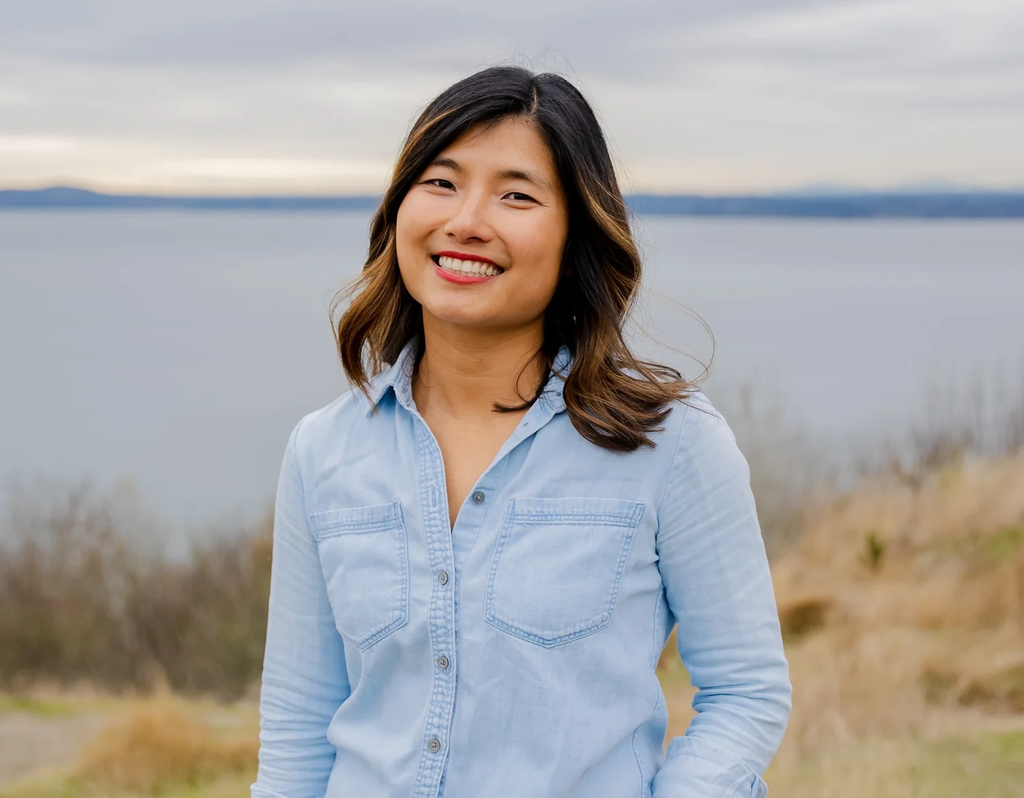
“ My true fear is that people are just going to become desensitized to the amount of fake information that’s out there and not care. ... As long as people care and value accuracy, I think fact-checking has a place, I think journalism has a place.”
[ Read the story ]
[ Follow us in Apple Podcasts, Spotify, or your favorite podcast app. ]
Links of note
- Mallary Tenore Tarpley has a fantastic newsletter issue filled with advice for getting started as a freelancer — and why it’s important for students to learn about the financial side of freelancing, particularly in this job market. “We should teach students how to freelance because doing so can better equip them to stay in journalism after they graduate. Not every student is going to find a job in the field right out of college. If they have to take a job in a different field, there’s the risk that they’ll never return to journalism.” And I especially love her note about day jobs: “As Pulitzer Prize-winning journalist Jennifer Senior told my students during a guest speaker visit last week: Don’t be afraid to be a barista. Her point was that sometimes, you need to work odd jobs before landing one in your profession of choice. That’s good advice for students and for anyone traversing a circuitous professional path.”
- I don’t recall how or when I started subscribing to Naomi Kanakia’s wonderful newsletter, Woman of Letters, but her latest post hits on exactly that point: it is a “re-introduction” of who she is and why she started writing it. “One of the strange things about subscribing to a newsletter is that you can spend months with an author’s voice, but never learn very basic information about them, like their age, location, or aims. That’s why every six months I write an introduction post for the benefit of new readers.” She also reminds us to take online writing as seriously (or not so seriously) as we want. “Between 2016 and 2024, I published four novels with well-respected publishers. But then I had a crisis of confidence and decided that something about my approach wasn’t working. I wasn’t connecting with readers the way I hoped to. So I decided that from henceforward, I’d put my major creative energy into writing my blog.”
- Finally, writing advice from author Alexander Chee that can apply to nonfiction or fiction, observation or reflection: “Going deeper often begins with small things. The things we tell ourselves don’t matter usually do. We are trying to throw ourselves or others off the trail when we say this or that doesn’t matter. Sometimes both. The way we dress, the way we style our hair, these are ways we try to communicate with our future. What we hope for without saying we do. What we put in our bag is a prediction we are making about the future conditions of our adventures.”
Keep going deeper, and keep sharing your stories,
Mark Armstrong
Editor
Nieman Storyboard
Follow the Nieman Storyboard Podcast
On Bluesky: @niemanstoryboard.org
Subscribe to Storyboard
Get insights into the craft of journalism and storytelling in your inbox, delivered on Fridays.