Sign up for the Nieman Storyboard newsletter, delivered every Friday in your inbox.
***
Dear Storyboard community:
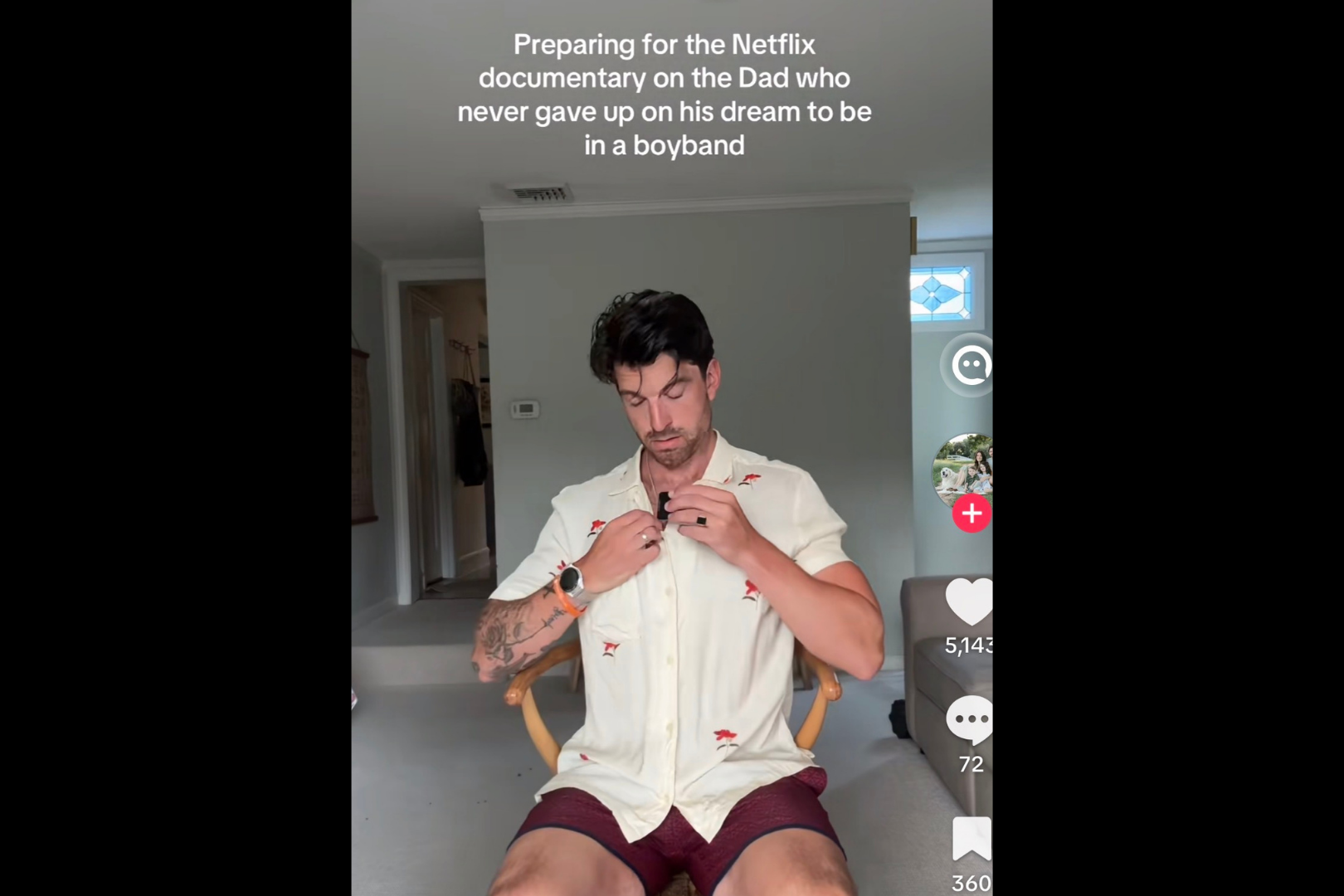
A TikTok trend made the rounds this year with people filming themselves pretending to be the subject of a Netflix documentary. The videos all use the same background sound — a solo violin playing as tension builds — as a person walks in, sits down in a chair, and pretends to put on a lavalier mic to get ready for their interview (or interrogation).
What I love about the trend was how it reveals a culture that is deeply media-literate and savvy about storytelling. Documentary filmmakers (in fact, all storytellers) lean on recurring tricks and tropes to convey ideas to their audience. In this case, “behind-the-scenes” moments build anticipation as the subject finally sits down and speaks their truth.
We’ve seen these moments often enough to recognize this as a kind of manipulation — a crescendo of music and a fumbling with the mic suggests the stakes are high — in order to make the audience feel something specific. But as these TikToks show, we the viewers have now adopted the same tricks to create mockumentaries about our own lives.
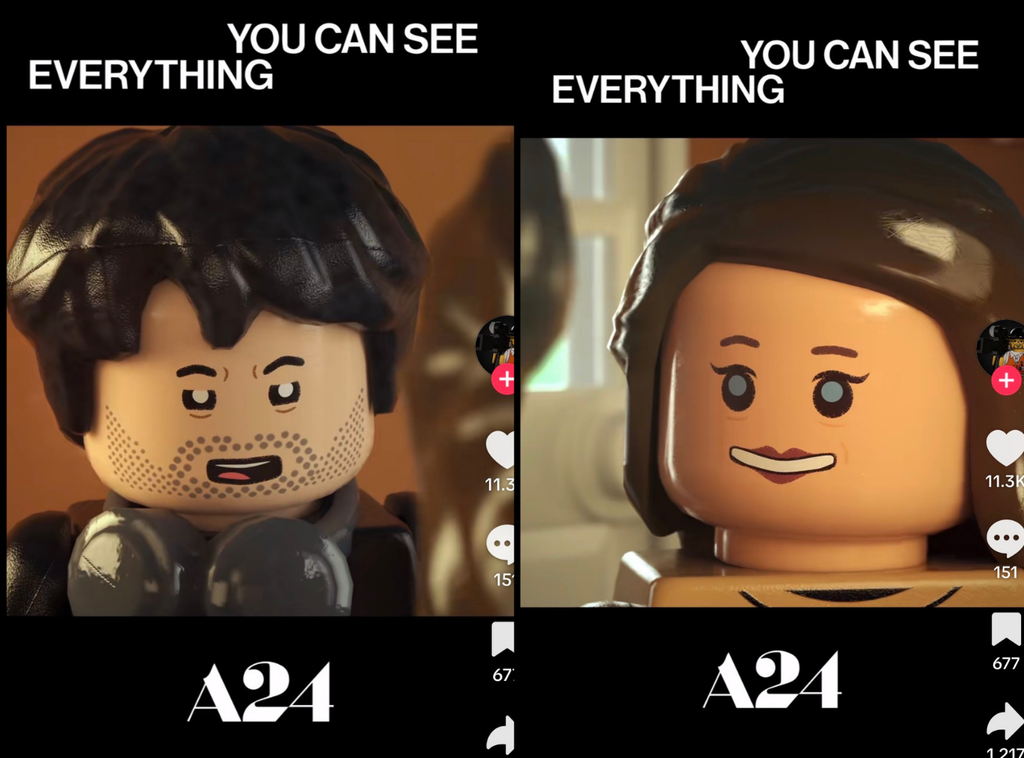
I’m not an expert on documentaries, but I have never felt more manipulated (in the best way possible) than while watching “You Can See Everything,” Nathan Fielder and Lance Oppenheim’s new film about disgraced Theranos CEO Elizabeth Holmes. Fielder moves in with Holmes, her partner Billy Evans, and their kids to document the final days before she was sent to federal prison in 2023.
There are many great reviews out in the wild — for two interesting takes (with spoilers), read Charlotte Clymer and former Wall Street Journal reporter John Carreyrou, who first broke the Theranos story. The film is an emotional roller coaster; I laughed, I cried, I gasped.
Fielder and Oppenheim make a series of storytelling decisions so audacious and often absurd that no one could accuse them of passing off their work as traditional journalism. That makes me appreciate it more for what it is. The film creates a new template for documentary filmmaking, full of uncomfortable close-ups, awkward pauses, long bouts of direct eye contact, re-enactments, full-frontal nudity, and Fielder hovering in the shadows of rooms with his headphones on.
And, as one might expect, thousands of TikTokers are now running with it — proving once again that a story never ends until the audience has its say.
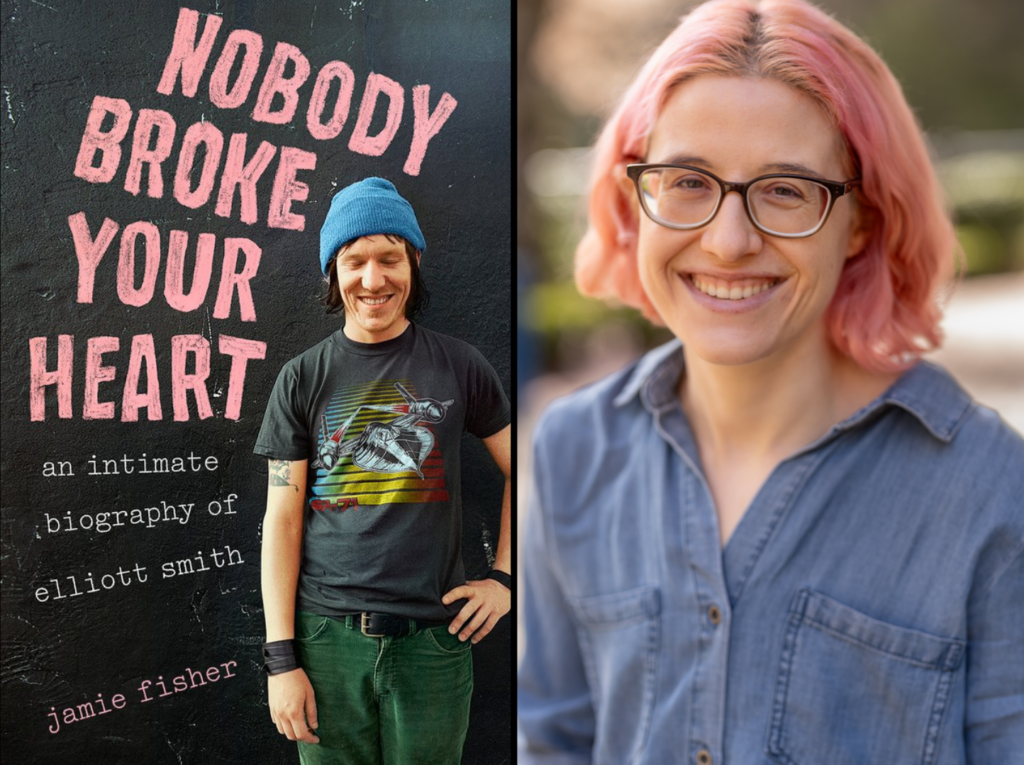
For our latest book chapter annotation, Storyboard contributor Trevor Pyle speaks to journalist Jamie Fisher, author of the new book “Nobody Broke Your Heart: An Intimate Biography of Elliott Smith,” including her decision to write small, vivid portraits of everyone involved:
“I had been reading biographies and thinking about what happens to the people who aren’t the central subject — how a biographer might talk for three hours to someone’s lover and ultimately share a single sentence, or reduce people generally to talking heads. And I thought that was a very limited way to look at the world. We don’t exist in isolation; we are the people we love, and even the people we tolerate at the edges of our lives. I’ve sometimes described the book as a long-ish biography of one person but a fairly economical biography of 40.”
[ Read the story ]
Links of note
- How The New York Times covers lying: I appreciated this debate in the Times between Patrick Healy, assistant managing editor for the Times, and Mark Jacob, former metro editor for the Chicago Tribune, whose newsletter Stop the Presses has frequently criticized the Times for not being bold enough in calling out the Trump administration.
- How to file FOIA requests like a pro: The Reporters Committee for Freedom of the Press asked several journalists, including investigative reporters Jason Leopold, Azmat Khan, and Kimbriell Kelly, for tips on how to file requests. “The larger takeaway is to be as specific, precise, and detailed as possible,” says ProPublica reporter Reese Dunklin.
- “Can Classical Flugelhorn Really Be Taught?” I laughed out loud at this newsletter headline by author Rebecca Makkai: “The question of whether writing can be taught has always cracked me up. It’s important to discuss the best ways to teach writing, but it’s odd that the question itself magnetizes to writing in a way it never sticks to teaching classical ballet or stone carving or watercolor painting or Shakespearean acting or opera. … Yes, writing can of course be taught, and it can be learned — in many ways and environments — and I’m so happy that teaching writing is a regular part of my life.”
Keep practicing your flugelhorn, and keep sharing your stories,
Mark Armstrong
Editor
Nieman Storyboard
Follow the Nieman Storyboard Podcast
On Bluesky: @niemanstoryboard.org
Subscribe to Storyboard
Get insights into the craft of journalism and storytelling in your inbox, delivered on Fridays.