Sign up for the Nieman Storyboard newsletter, delivered every Friday in your inbox.
***
Dear Storyboard community:
The news throughout the early weeks of 2026 reminded us that the concept of “both sides” in journalism is a deeply flawed, and even dangerous, way to think about reporting a story — especially when one side is actively trafficking in disinformation. Journalists have a responsibility to be fair and accurate, but we are under no obligation to quote people who are proven to be lying.
As award-winning journalist and documentarian Soledad O’Brien points out in this week’s Nieman Storyboard podcast, narrative nonfiction is even less obligated to the idea of “both sides,” because it often tells the story through the eyes of a single character. The best storytelling has a clear point of view, O’Brien told Storyboard contributor Christina M. Tapper.
“Fran Tarkenton, the [NFL] quarterback, said to me once, ‘Soledad, if you have three quarterbacks, you have no quarterbacks.’ And I remember thinking like, ‘I know nothing about sports metaphors! That means absolutely nothing to me, Fran. Thank you.’ But what he was trying to say was, if you don’t commit to the story you’re going to tell, then you have nothing. You have a big blob of trying to pop lots of different things in and you end up with nothing at all.”
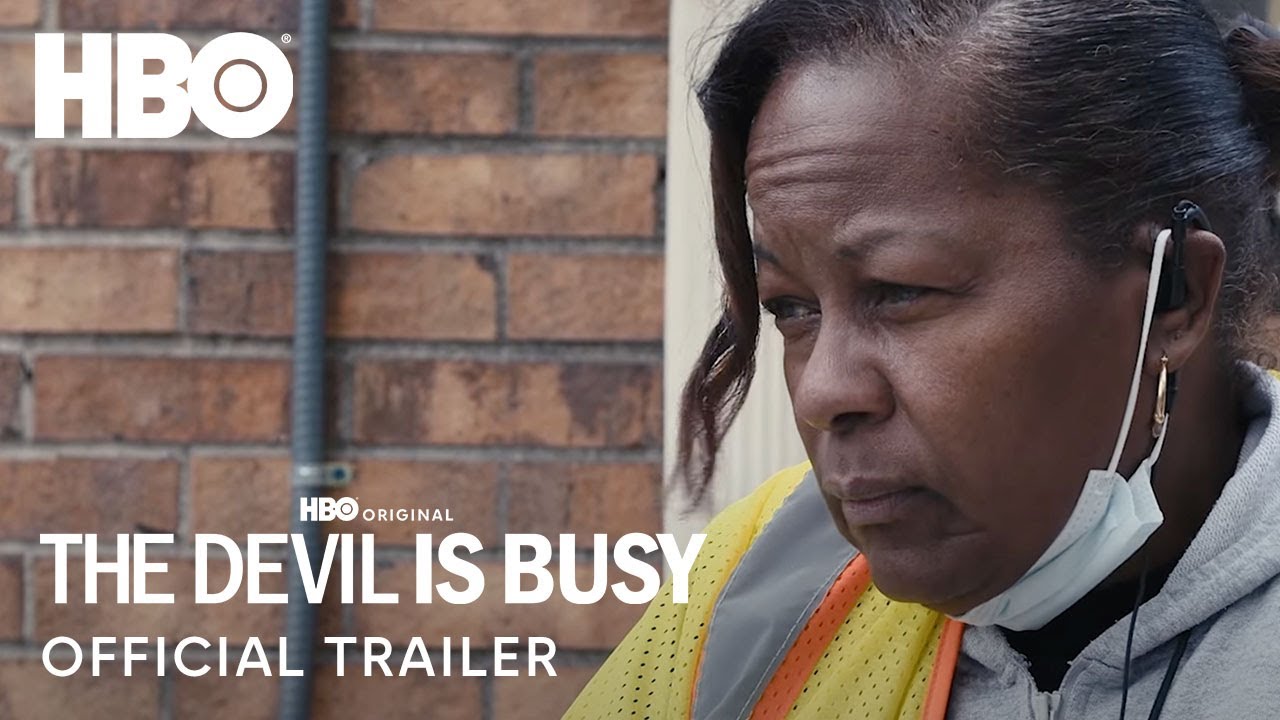
O’Brien commits to this singular point of view as executive producer for the Oscar-nominated HBO Max documentary short, “The Devil Is Busy,” directed by Geeta Gandbhir and Christalyn Hampton, which follows a day in the life of Tracii, who runs security for an Atlanta abortion clinic. Protesters are heard outside the clinic, but the story unfolds from Tracii’s perspective. “She’s a wonderful narrator,” O’Brien said. “She really drives the story forward.”
O’Brien’s podcast conversation was recorded in December, before the dramatic escalation of operations by federal agents began in Minnesota, but one can’t help but be reminded of Alex Pretti, Renee Good, and the many citizens and journalists on the streets as O’Brien shared a lesson she learned from her mother about the importance of being a witness: “I think there’s something about being unmovable. Everybody should think about it. I’m not just going to move along when I see something unfolding,” she said. “Not just for me and my work, but I think everybody kind of has that opportunity. Today, especially, in an environment where there’s just a lot of stuff unfolding every day.”
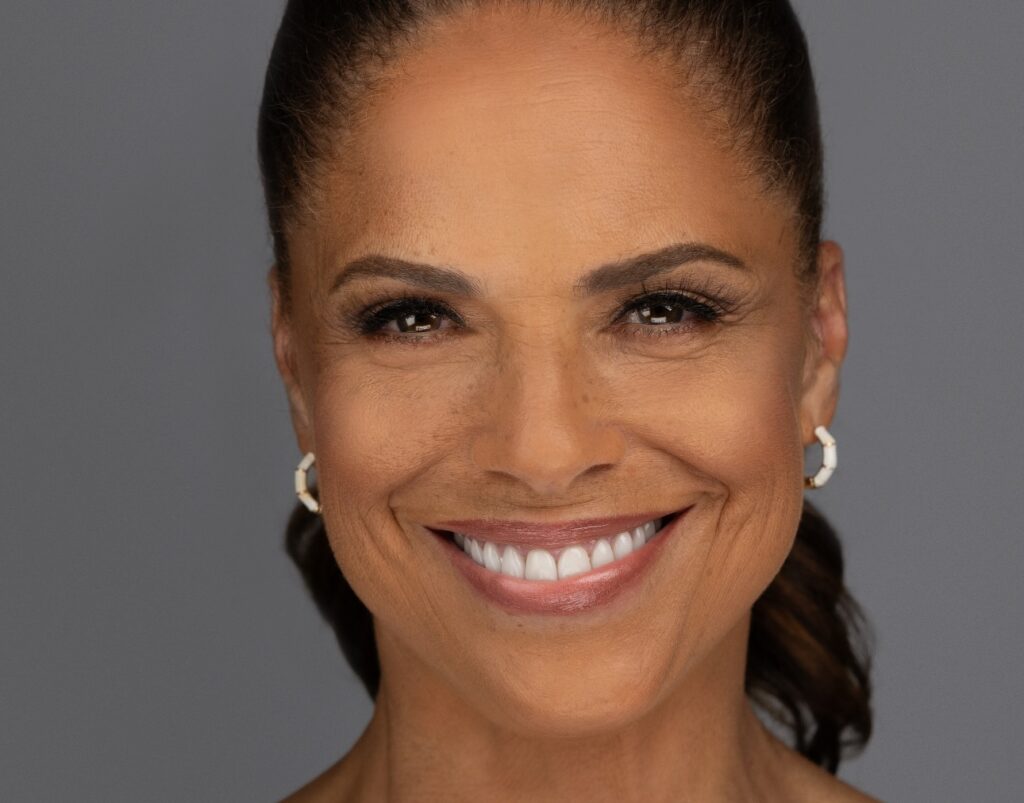
“You just tell people what you want to do and you’re honest about it. … There’s nothing worse than feeling like someone’s misleading you.”
[ Read the story ]
[ Follow us in Apple Podcasts, Spotify, or your favorite podcast app. ]
Links of note
- Writers, editors, and fans of nonfiction: registration is open for The Power of Narrative conference at Boston University, March 27-28. Speakers will include Ken Burns, The New Yorker writers Sarah Stillman, Patrick Radden Keefe, and Louisa Thomas, and photojournalist (and 2025 Nieman Fellow) Marcus Yam.
- “Why plot isn’t a four-letter word.” At his newsletter Counter Craft, novelist-editor Lincoln Michel kicks off a series on plot structure in storytelling: “When I read student work that feels inert, it’s often because the story lacks escalation. The characters meander about with not much going on and then a ‘sudden outburst of plot’ occurs at the very end to wrap the story up. Or if a plot is present, that plot is not structured so that it escalates. The beats feel out of order where the opening is more dramatic than the ending or the stakes seem to lower as the tale goes on. … In my experience at least, many narrative problems can be solved without major rewriting by simply reordering.”
- Independent journalists covering Minnesota right now: Over at Project C, Liz Kelly Nelson’s newsletter examining the work of journalists in the creator economy, Nelson has teamed up with Justin Bank and 2025 Nieman Fellow Ryan Kellett to share a list of independent creator-journalists and organizations on the ground in Minneapolis. They’re building a database, The Independent Journalism Atlas, designed to help people discover and support independent journalists, with the goal of a “more open and resilient media future.”
Keep doing your best, and keep sharing your stories,
Mark Armstrong
Editor
Nieman Storyboard
Follow the Nieman Storyboard Podcast
On Bluesky: @niemanstoryboard.org
Subscribe to Storyboard
Get insights into the craft of journalism and storytelling in your inbox, delivered on Fridays.