Sign up for the Nieman Storyboard newsletter, delivered every Friday in your inbox.
***
Dear Storyboard community:
What are the ingredients that make a memorable podcast?
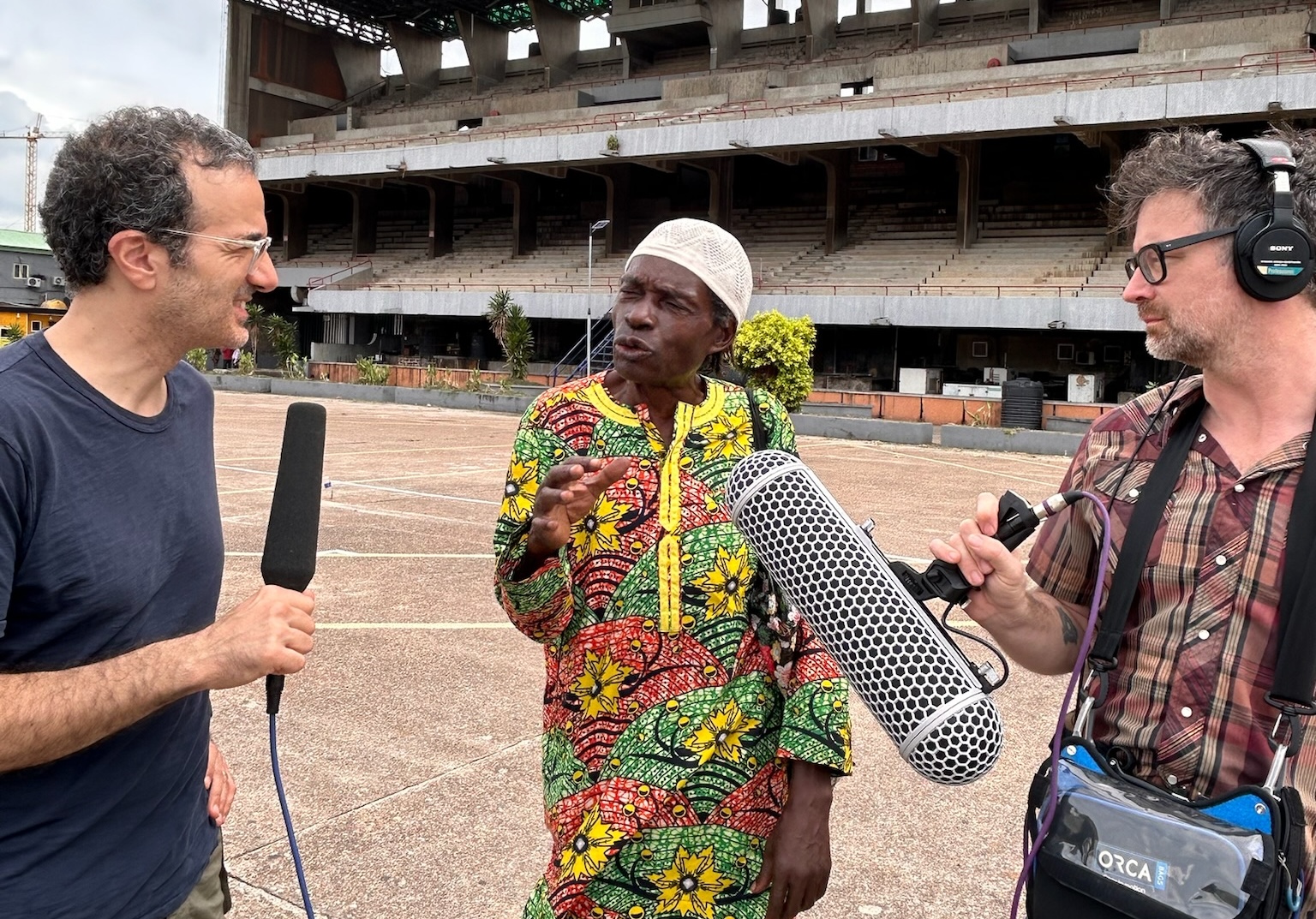
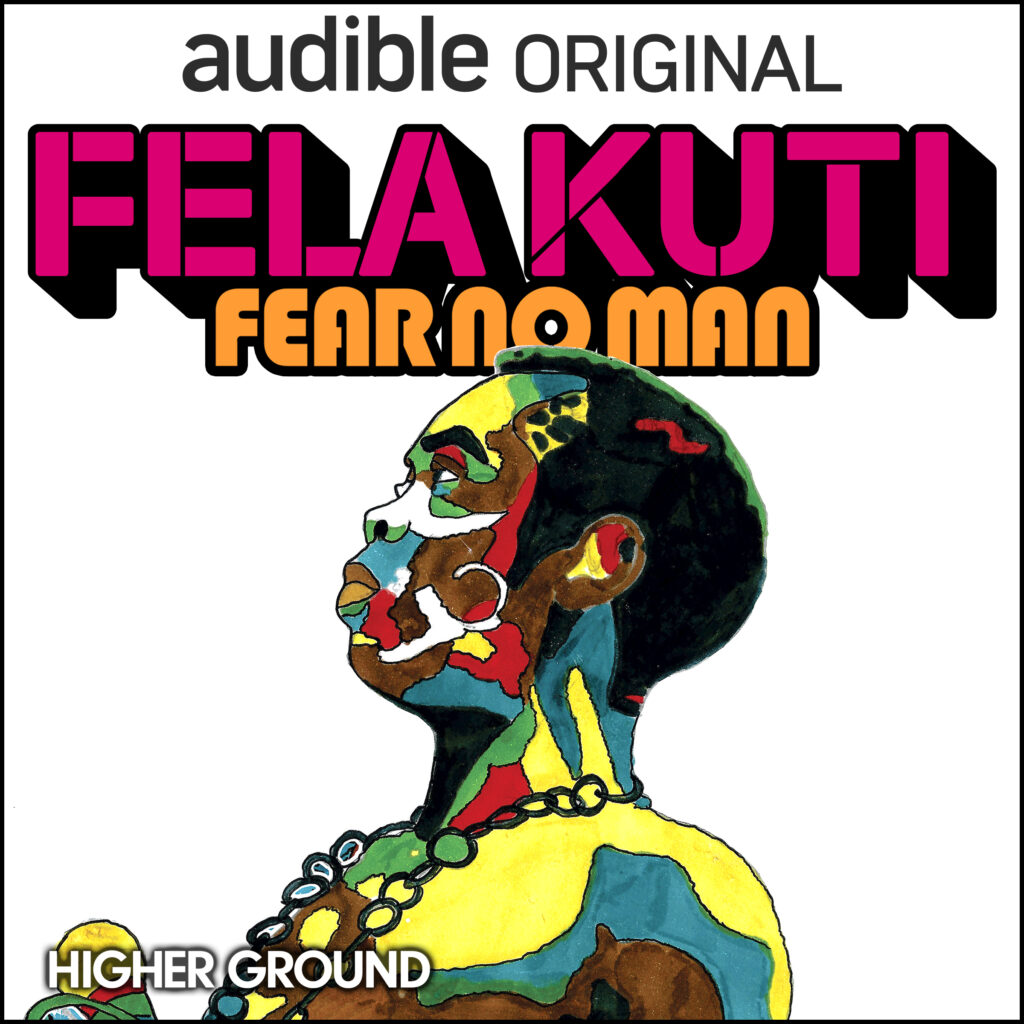
This week I’m excited to welcome back Storyboard contributor — and 2024 Nieman fellow — Julia Barton, who guides us through an annotation of a podcast script from one of 2025’s most acclaimed narrative podcasts, “Fela Kuti: Fear No Man.” The series, hosted by “Radiolab” creator Jad Abumrad, explores the life, music, and legacy of Fela Kuti, the Nigerian musician, political activist, and pioneer of Afrobeat. On Thursday, the series was honored with a Peabody Award.
We talk a lot in this newsletter about how reporting, research, and proximity to the right materials can dictate the shape of a story, or whether we even have a story to tell. I’m fascinated by the constraints Abumrad and his editor, Ben Adair, had to navigate to create this series — including limited access to Kuti in his own words (he died in 1997) — but also by the unusual amount of freedom they had to use, and even remix, some of his music. It can be very difficult to clear music rights for a podcast, and as Barton tells me, “their access to Fela’s music really made the whole series work.” The goal for the podcast, Adair said, was "making a documentary you could dance to.”
It’s been a precarious time for narrative nonfiction podcasts, which are facing the same financial, political, and audience challenges affecting other forms of journalism. But “Fear No Man” reminds us what’s possible.
Barton’s advice for storytellers who want to explore audio narrative? “Think about why your story is best told in audio, and try to collaborate with an experienced producer on your pitch. Or if you are already an experienced producer, collaborate with a story editor. Most of the pitches I’ve seen that make it to production have either a strong audio component already figured out, or they have a strong team behind them. Ideally both.”
“The music has to be the guiding force. Jad talks in a bunch of different moments in the podcast about this torrent of music that Fela was creating, that was just streaming out of him and around Lagos and around the world. So why not have that be the guiding principle?”
[ Read the story ]
Links of note
- At her Notes from a Small Press newsletter, Belt Publishing founder Anne Trubek considers the current challenges in nonfiction book publishing — in which fewer non-memoir titles are being published, and advances are not always substantial enough to justify the reporting and research required to write the books. Trubek suggests some changes, including making book proposals less demanding and for imprints to publish shorter books: “Our ‘signature’ series of researched nonfiction are called (internally) ‘Notches’ and they max out at 60,000 words, with an average of 45,000, and some as few as 30,000. This makes book writing much less onerous for the writer (and the resultant volume, 5 x 7” trim size, less intimidating to readers, plus: cute!). Writers are more likely to be able to complete a manuscript without leaving their day job, or any of the other obstacles.”
- The Sidney Hillman Foundation has announced the winners of the 76th annual Hillman Prizes for “journalism in service of the common good.” The full list, including categories for books, documentaries, magazines, newspapers, and broadcast, is available here.
- “Access is nice. Access is alluring. Access is also dangerous. It is a drug prone to causing grandiosity, narcissism, and delusion.” Ahead of this weekend’s White House Correspondents Association Dinner, in his newsletter, How Things Work, Hamilton Nolan writes about the temptation of access in journalism. “It is a way to make the people you write about happy, and to make your job as a journalist much easier. Unfortunately it also eliminates much of the value of journalism.”
Keep sharing your stories (on your own terms),
Mark Armstrong
Editor
Nieman Storyboard
Follow the Nieman Storyboard Podcast
On Bluesky: @niemanstoryboard.org
Subscribe to Storyboard
Get insights into the craft of journalism and storytelling in your inbox, delivered on Fridays.
Follow the Nieman Storyboard Podcast
[ Follow us in Apple Podcasts, Spotify, or your favorite podcast app ]