Sign up for the Nieman Storyboard newsletter, delivered every Friday in your inbox.
***
Dear Storyboard community:
I hope your summer is off to a nice start, and happy Pride Month! I’m jumping right in this week with some news and stories that are moving and inspiring me in the current moment:
- Season Two of the Nieman Storyboard podcast: To those who have asked, yes, we’ll be back with more in-depth conversations starting in July. Guests will include Ken Armstrong, Sari Botton, Pamela Colloff, and many more. Follow us on Apple Podcasts, Spotify, or YouTube to catch up on Season One and make sure you don’t miss an episode. For more, check out our Storyboard archive.
- Newsletters covering LGBTQ+ issues and stories around the world: Erin Reed’s “Erin in the Morning” newsletter shares a weekly roundup called Lavender Ledger focusing on news across the LGBTQ+ media landscape.
- CNN’s deeply reported longform journalism: Several of you alerted me to CNN’s newest online feature, a 10,000-word story written by Michelle Krupa and photographed by Liam James Doyle, about the survivors of last year’s shooting at a Minneapolis Catholic school, an attack that killed two children and injured 27 others. On CNN’s One Thing podcast, Krupa discusses how she came to the story, and about reporting on trauma: “I think sticking with survivors should be higher on our priority list as journalists. I think the continuing experience of people who have had this kind of trauma should be and is as newsworthy as the events themselves.”
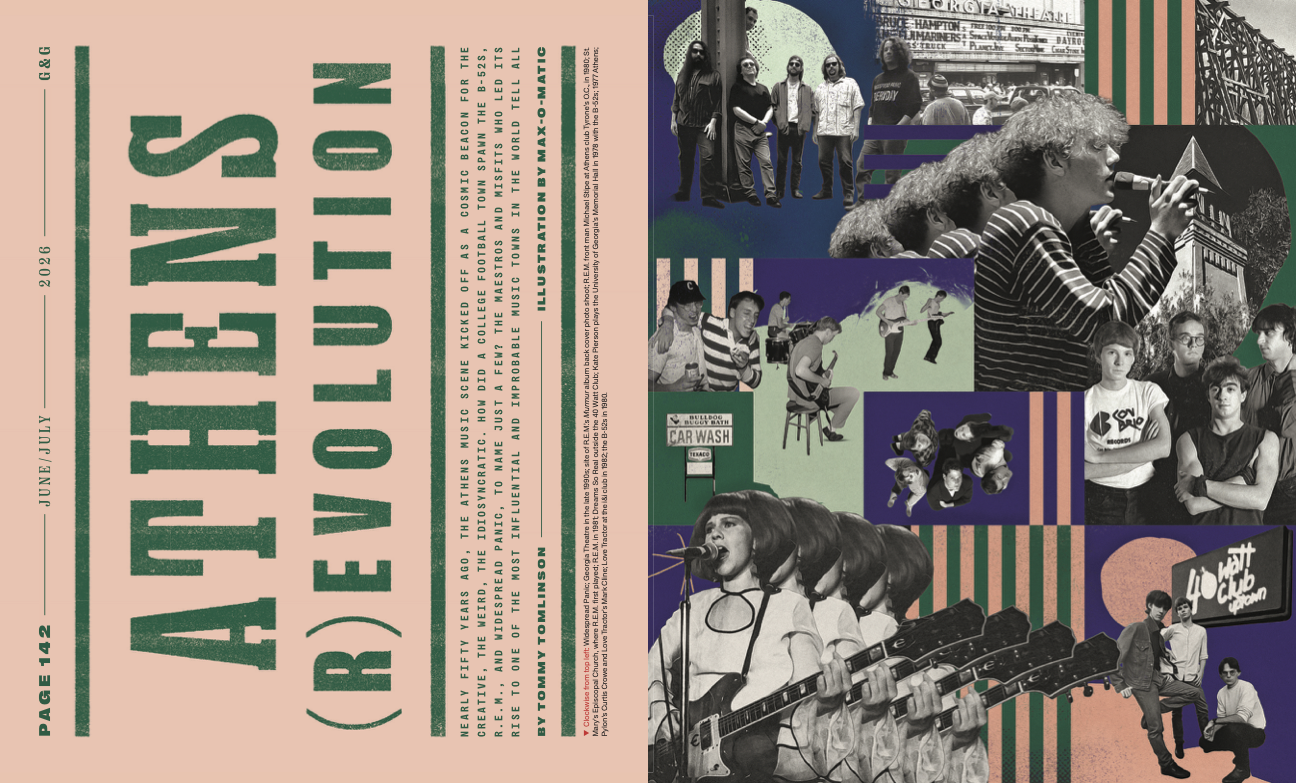
- Tommy Tomlinson’s oral history of the Athens, Ga., music scene: I am a sucker for a well-told oral history and any writing about music, which is why I zeroed in on Tomlinson’s immersive feature in Garden & Gun magazine about the college town that brought us legendary bands including the B-52s, R.E.M., Widespread Panic, and Drive-By Truckers. In his newsletter, Tomlinson reveals that G&G editor Amanda Heckert pitched him the assignment knowing that his personal background aligned with the subject matter. “I spent a lot of sweaty nights in Athens clubs as a student at [the University of Georgia] in the ‘80s, and have spent untold hours since listening to the music that helped shape me. I hope some of that made its way into the story. I’m really proud of it.”
Now it’s your turn: Reply to this email or send me a note with what’s inspiring you this summer: editor@niemanstoryboard.org.
“Part of the structuring work is figuring out who actually gets to articulate Point X and when. You don’t want this huge cast of talking heads fluttering everyplace all the time, people constantly popping up in the reader’s ear, saying something interesting and then vanishing for 4,000 words before showing up in another time and place with another one-liner. That can feel like being attacked by crows.”
[ Read the story ]
Links of note
- I am grateful for the transparency baked into Scratch magazine’s interviews — each one reveals the financial and logistical hurdles facing writers and journalists in 2026. (This includes the eternal American question: How do you get your health care?) This week, Rahawa Haile speaks to Colette Shade, author of the essay collection, “Y2K: How the 2000s Became Everything (Essays on the Future That Never Was),” about going back to school to become a therapist while finishing the book. “It’s great because I actually think I use a lot of the same skills as a therapist that I use as a writer: being curious, and observing, and sort of imagining what other people’s experiences are, and not just being stuck in your own head and very rigid about things,” Shade said. “Just working with people to help them find their own life story, and kind of narrativize their life to figure out what’s important to them and what they want to do next. The two careers complement each other remarkably well.”
- “Was getting an MFA worth it?” Speaking of continuing education, Mallary Tenore Tarpley has an excellent newsletter dispatch on whether writers and journalists should consider getting a Master of Fine Arts graduate degree. “It was worth it for me, but I’ll be the first to say that I don’t think you need an MFA to be a serious or successful writer. And it’s just one of many potential paths.” Tarpley received an MFA in Nonfiction Writing from a low-residency program at Goucher College in Baltimore, aiming to emerge with a completed memoir. “I really enjoyed having the opportunity to be a student again — to ask questions, seek feedback, and learn new skillsets.”
- “To be brave costs something.” Two Nieman Storyboard contributors, Minda Honey and Erika Hayasaki, sit down for a conversation about Zora Neale Hurston, and what her life teaches us about being writers. (Honey’s next book will be about Hurston.)
Keep being brave, and keep sharing your stories,
Mark Armstrong
Editor
Nieman Storyboard
Follow the Nieman Storyboard Podcast
On Bluesky: @niemanstoryboard.org
Subscribe to Storyboard
Get insights into the craft of journalism and storytelling in your inbox, delivered on Fridays.
Follow the Nieman Storyboard Podcast
[ Follow us in Apple Podcasts, Spotify, or your favorite podcast app ]