Sign up for the Nieman Storyboard newsletter, delivered every Friday in your inbox.
***
Dear Storyboard community:
One of the most popular Storyboard topics over the years has been this: How does a writer take a book from idea to publication? Our Annotations archive is chock-full of outstanding stories and book chapters, but we’ve also featured some revealing breakdowns of book proposals and story pitches to see how the process works.
There is so much we can’t control as writers and journalists — the state of the industry, trends in book publishing, whether an editor or literary agent is in a good mood when they read your email — but there is a lot we can control, including how to create our best work, how to understand our audience (agents, editors, and readers alike), and how make sure our pitch has a fair shot at being considered.
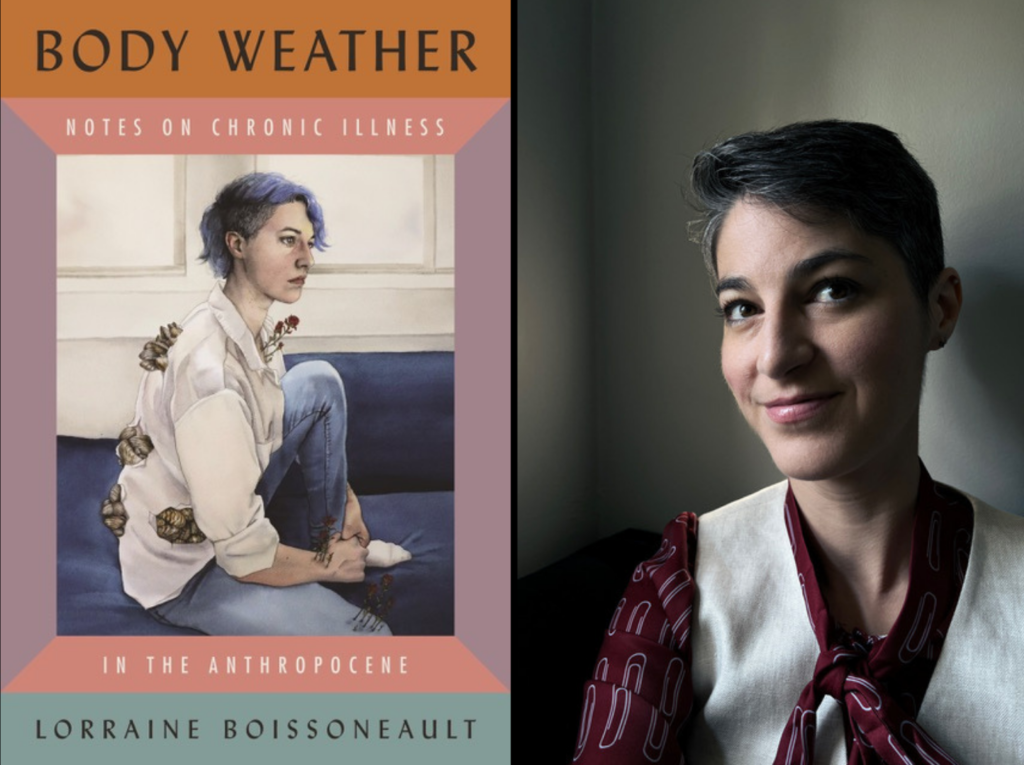
This week, Storyboard contributor Erika Hayasaki shares a book proposal by author Lorraine Boissoneault that didn’t just land a book deal — it also won the 2024 J. Anthony Lukas Work-in-Progress Award from the Columbia Journalism School and our own Nieman Foundation for Journalism at Harvard. The award includes a $25,000 prize to aid in completion of the work.
The resulting book, “Body Weather: Notes on Chronic Illness in the Anthropocene,” was published in April by Beacon Press. Boissoneault shares her journey in developing the idea and finding her voice. She had previously published narrative nonfiction, but this book was to include her own story and experiences along with reporting. “I made a point of taking a few classes in memoir and personal essay leading up to this proposal,” she writes. “I’m a big proponent of continuing to learn from other writers as we grow.” She annotates the opening of her book proposal to explain her decision-making process.
Thanks to Boissoneault for her generosity and transparency in sharing this work.
“I wanted to immediately convey that this would be personal and that I could do the work of a memoirist. Having never written in this form before, it felt especially important to prove that I had the literary ability to take readers through my story. This was also an inciting incident for me personally: having more health issues and trying to unravel the mystery of what was wrong.”
[ Read the story ]
Links of note
- For the one-year anniversary of his book “The Front Runner: The Life of Steve Prefontaine,” author and Creative Nonfiction Podcast host Brendan O’Meara shares some lessons after the “ubiquity of panic that comes with book publication,” including the importance of fact-checkers, how to be strategic about in-person events, and this gem: “Write handwritten thank you notes.” (For more on O’Meara’s reporting work, see our Nieman Storyboard annotation.)
- In narrative podcasts, how does the sound of footsteps on a gravel driveway affect our perception of the story? At her newsletter Continuous Wave, audio producer, Storyboard contributor, and 2024 Nieman Fellow Julia Barton shares a brief history of sound effects used to “sweeten” radio and TV news broadcasts. “This blending of manufactured sounds and narrative truths is something film critic Michel Chion calls synchresis: he invented the word to describe the power of sound (usually combined with visuals) to help us fully enter the conceits of an imaginary world. Lightsaber sounds in ‘Star Wars’ are one famous example — but basically all sound effects in audio drama rely on synchresis.”
- The Society for Features Journalism has announced the winners of its 2026 Excellence-in-Features journalism awards, for newspapers with 201 or more full-time editorial employees or magazines and web-only publications with a national or international focus. See the full list of winning stories here.
- I don’t talk about this often here at Storyboard, but I’m also a singer-songwriter. The backstory: I played in a lot of bands in my twenties, then stopped playing for the next 15 years. Life got busy (and maybe I had some other anxieties to unpack). During the pandemic, partly inspired by my kids, I picked up the guitar, started taking voice lessons, and began releasing music again. As I wrote in Sari Botton’s Oldster Substack, it has been an absolute joy to rediscover music and performing. Today I released a new song, called “The Sound.” It’s not a classic narrative, but it’s definitely a true story, about finding home wherever you are. Do you have a favorite song that’s also a story? Tell me about it: editor@niemanstoryboard.org
Keep finding your joy, and keep sharing your stories,
Mark Armstrong
Editor
Nieman Storyboard
Follow the Nieman Storyboard Podcast
On Bluesky: @niemanstoryboard.org
Subscribe to Storyboard
Get insights into the craft of journalism and storytelling in your inbox, delivered on Fridays.
Follow the Nieman Storyboard Podcast
[ Follow us in Apple Podcasts, Spotify, or your favorite podcast app ]