Sign up for the Nieman Storyboard newsletter, delivered every Friday in your inbox.
***
Dear Storyboard community:
Nieman Storyboard has long been a place that celebrates, as journalists like Barry Yeoman describe it, “the second draft of history” — the longform projects that, with the benefit of time and distance, coupled with deep reporting and research, bring the truth into sharper focus.
But to have a second draft of history, we must also have a reliable first draft that we can build from. Photojournalist Stephanie Keith spoke recently on the Nieman Storyboard podcast about the importance of capturing images and video that reveal the truth and clarity of an event in the moment. This includes the events of Jan. 6, 2021, when pro-Trump protesters stormed the U.S. Capitol in an attempt to overturn the results of the 2020 presidential election.
“On January 6th, if there had been no photojournalist there, can you imagine what the narrative would’ve looked like?” she told me. “Even if things don’t change right away — it’s still important to create a record of the truth.”
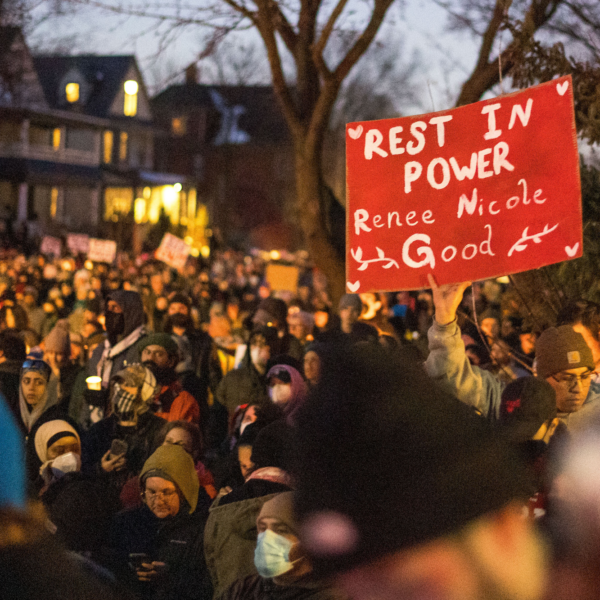
We’re entering 2026 at a moment when every draft of history chronicled by journalists is under attack. This week, for the fifth anniversary of January 6th, the Trump White House released its own false, revised history on its website. Then on Wednesday, an Immigration and Customs Enforcement (ICE) agent shot and killed Renee Nicole Good in her car in Minneapolis. Good was a 37-year-old mother of three. Citizens captured video of the shooting from multiple angles, providing visual evidence. The narrative was being spun within hours after the shooting, with Trump administration officials distorting details about the killing and smearing the victim before an investigation can even take place.
What do journalists do now? The only answers seem to be: keep showing up, keep bearing witness, keep documenting history, and keep creating trustworthy drafts of history.
Every image, every story, and every angle makes the truth harder to hide.
***
One journalist who covered January 6th as it happened was NPR’s Tonya Mosley. The co-host of “Fresh Air” and host of the podcast “Truth Be Told” is our latest guest on the Nieman Storyboard podcast. Christina M. Tapper talked with Mosley about how she prepares for interviews and guides conversations along, as well as how she navigated the difficulty of reporting on her own family history for the podcast docuseries, “She Has a Name.”
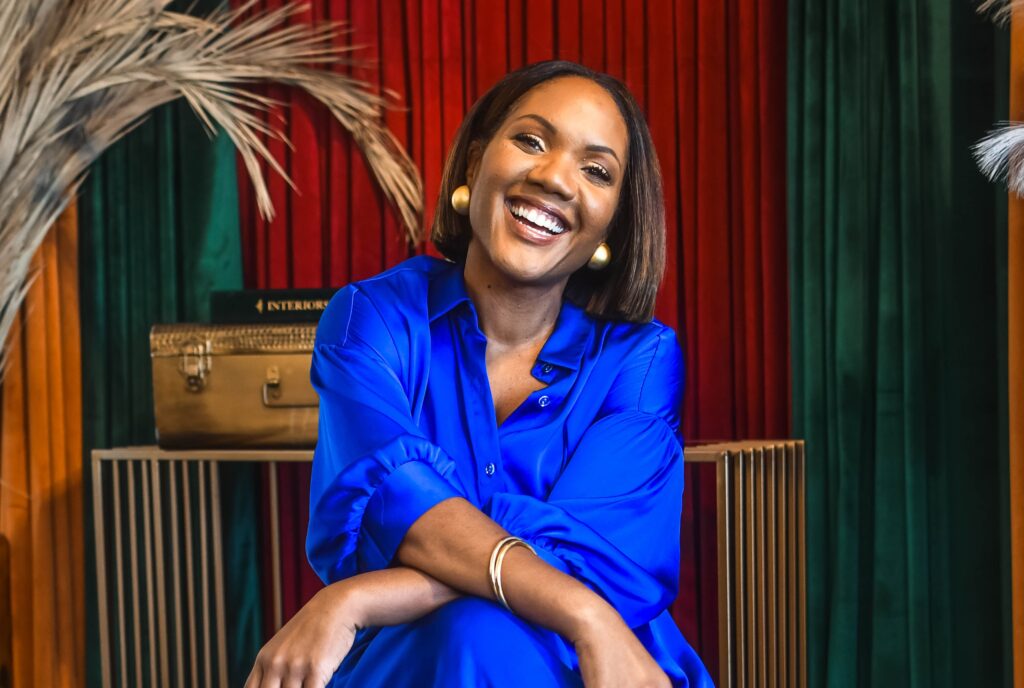
“I really do study the way people talk. That is something that in my research I’m really listening for. Does a person talk fast and are they a good edit? Because if you’re listening to someone and they’re talking fast, then you know that you won’t be able to cut them off when you’re editing after the interview. Or do they make dramatic pauses? Do they go on and on? Are they really short and succinct? That helps me so that I understand during my conversation how it actually might be.”
[ Read the story ]
[ Follow us in Apple Podcasts, Spotify, or your favorite podcast app. ]
Links of note
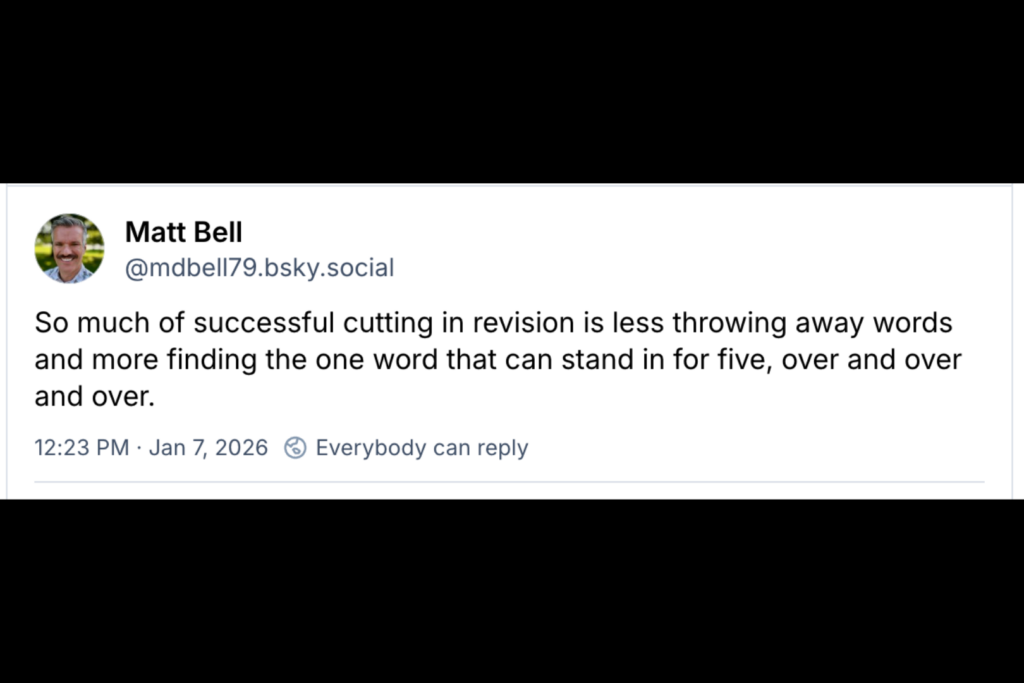
- An invaluable tip on writing and revision from author Matt Bell.
- Submissions are now open for a number of journalism prizes: Applications for the $20,000 Worth Bingham Prize for Investigative Journalism are due Wednesday, Jan. 21, 2026. The prize honors “investigative reporting of stories of national significance where the public interest is being ill-served.” The $10,000 Taylor Family Award for Fairness in Journalism, which recognizes fairness in news coverage by American journalists and news organizations, also has a deadline of Jan. 21. Both the Worth Bingham and Taylor Family prizes are presented by the Nieman Foundation. Submissions for the 2026 Poynter Journalism Prizes, which honor extraordinary journalism produced in 2025, are due on Friday, Feb. 13, 2026.
- Submissions are also open for the Tribeca Film Festival, which includes narrative podcasts (official deadline: Jan. 14) and works in progress. More details about submissions are available here. (Hat-tip: Julie Shapiro.)
- Finally, here’s more in-depth listening for journalists: Megan Greenwell — whose book “Bad Company“ was featured on Storyboard last year — has been named the new host of Columbia Journalism Review’s podcast, “The Kicker.” Her first conversation is with former host Josh Hersh about their lessons from working in media over the past decade.
Keep showing up, and keep sharing your stories,
Mark Armstrong
Editor
Nieman Storyboard
Follow the Nieman Storyboard Podcast
On Bluesky: @niemanstoryboard.org
Subscribe to Storyboard
Get insights into the craft of journalism and storytelling in your inbox, delivered on Fridays.