Sign up for the Nieman Storyboard newsletter, delivered every Friday in your inbox.
***
Dear Storyboard community:
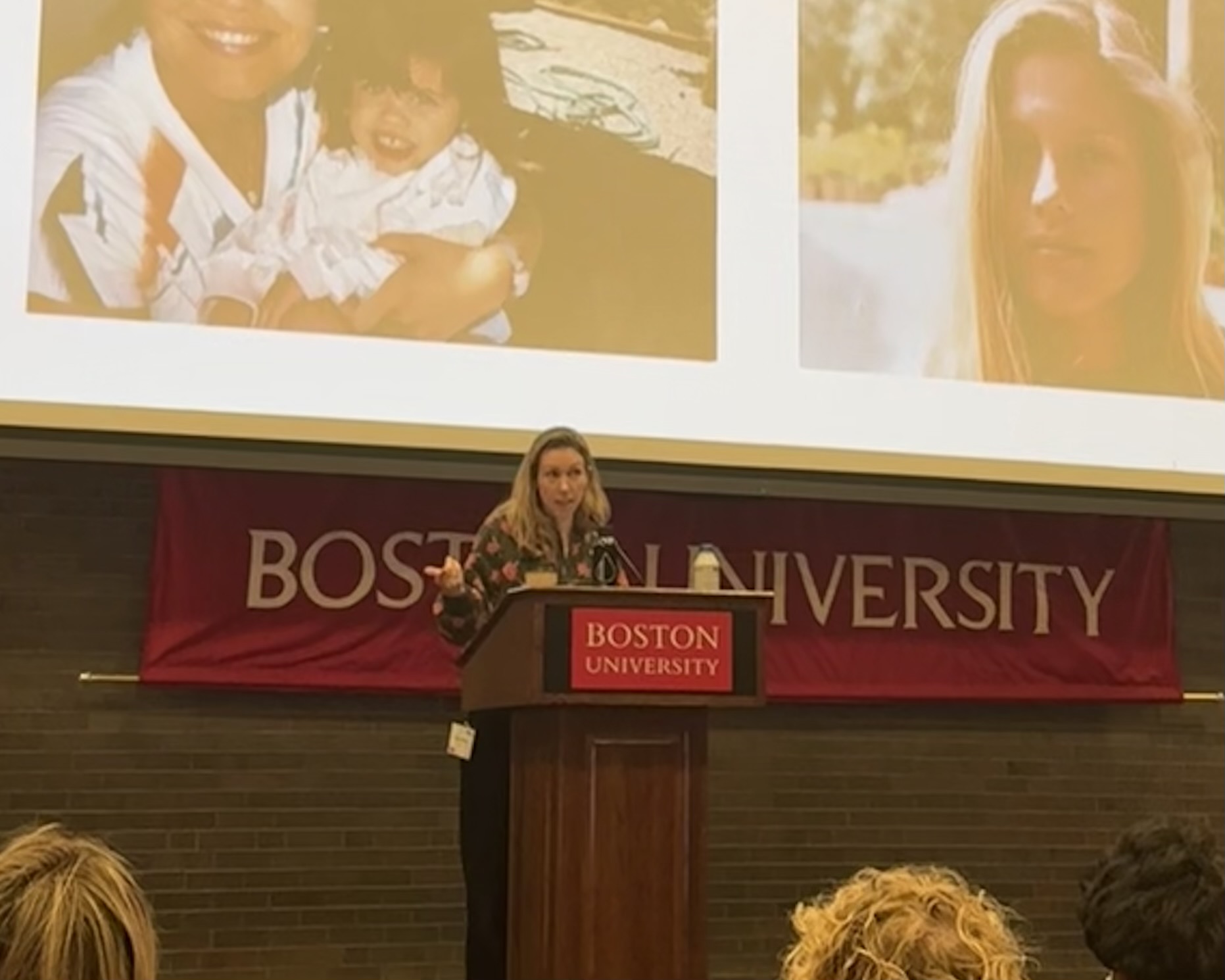
I returned from Boston University’s Power of Narrative conference last week feeling inspired by the work journalists are doing in spite of all the obstacles standing in their way: shrinking budgets for investigative work, a Trump administration that demonizes and threatens the free press, and a billionaire class that is consolidating media power to shape coverage in its favor.
Amid all that, reporters are still doing the work. Journalist Rhana Natour, along with her editor, Seyward Darby, took us through her award-winning 2024 feature story for The Atavist, about a 14-year-old girl from Gaza who lost her legs during an Israeli airstrike; Pulitzer Prize-winning photojournalist Marcus Yam, a 2025 Nieman Fellow, shared lessons from covering assignments such as the U.S. withdrawal from Afghanistan (when spending time with a subject, “stay long enough to be boring,” he said); and The New Yorker’s Sarah Stillman talked about the power of collaborating with other journalists and organizations on major reporting projects like her 2025 story, “Starved in Jail.”
Over the coming weeks, Storyboard contributor Emilia Wisniewski will be sharing reports from the 28th annual Power of Narrative conference. She kicks things off with takeaways from my conversation with The New Yorker’s Patrick Radden Keefe about his new book, “London Falling,” which was published this week. Thanks again to Patrick for a wonderful and revealing conversation.
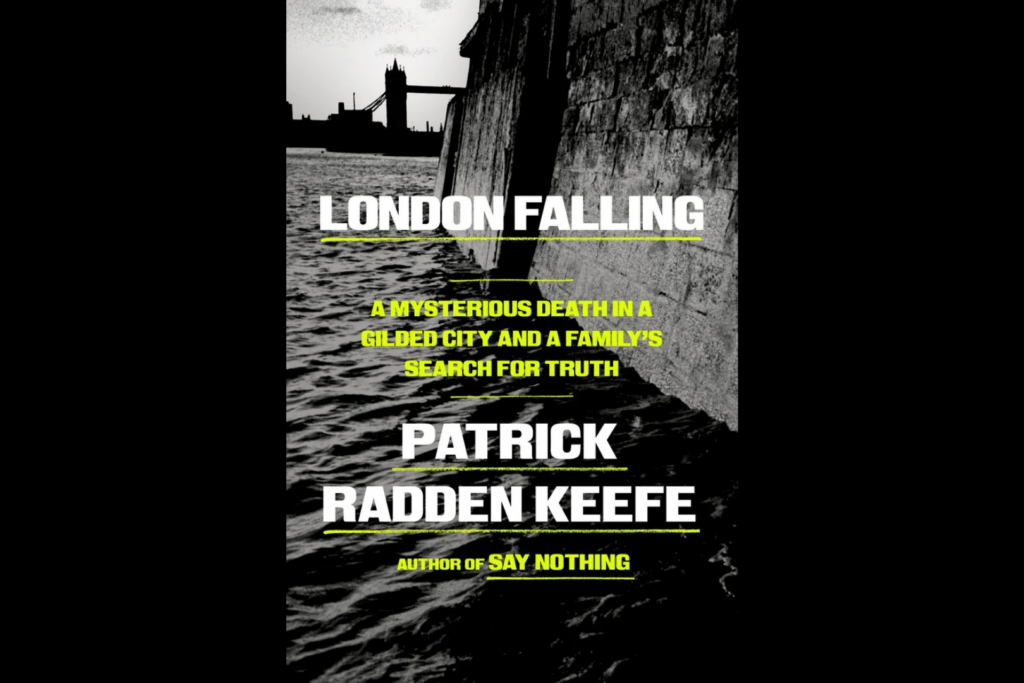
“I’m a little bit like a vampire, because if you invite me in, I’m going to do what I do,” Keefe said. “There were some things that I think they, in the beginning, never imagined would end up in the book that ended up in the book, because if you set me free in your family history, I’m going to dig around a little bit.”
[ Read the story ]
Links of note
- Do you know the essence of your story? In her Sound Judgment newsletter, Elaine Appleton Grant reflects on the relatable challenges students faced during her audio storytelling course at Duke University’s Center for Documentary Studies. A big one was finding the “beating heart” of their narrative: “Especially on first drafts, the focus was often unclear, even when the setting was beautifully evoked and the writing detailed. The listener comes away from such a story feeling like there’s a hole in the middle; it has no center. In feedback after feedback, I found myself asking the question: What is the heart of your story? Why do you care about these characters, this event? When possible, I’d try to guide students toward an answer by offering nudges based on the material. But only they could define the engine driving their interest in this story.”
- An example in patience and earning trust with sources who are reluctant to go public with their stories: The New York Times’s Manny Fernandez reveals how he and his colleague, Sarah Hurtes, worked with two women, Ana Murguia and Debra Rojas, to share their accounts of sexual abuse by Cesar Chavez. “Sarah and I are just two reporters. It took a lot of time to get these women to share their experiences and then to corroborate what they were telling us. That’s how I see it. I believe journalism is a calling, and it matters. When done right, it can drive change.” (via Jim Boren’s Newsroom Notebook newsletter)
- Are you writing a memoir or personal essay? At her Write at the Edge newsletter, Mallary Tenore Tarpley discusses how to write about family members with empathy but without sugarcoating hard truths. “Our job as writers isn’t to protect or vilify the people we’re writing about so much as it is to render them three-dimensional — to show their flaws, their strengths, and how they shaped us for better or worse. (Even the worst among us have different dimensions.)”
Keep adding dimension, and keep sharing your stories,
Mark Armstrong
Editor
Nieman Storyboard
Follow the Nieman Storyboard Podcast
On Bluesky: @niemanstoryboard.org
Subscribe to Storyboard
Get insights into the craft of journalism and storytelling in your inbox, delivered on Fridays.
Follow the Nieman Storyboard Podcast
[ Follow us in Apple Podcasts, Spotify, or your favorite podcast app ]