Sign up for the Nieman Storyboard newsletter, delivered every Friday in your inbox.
***
Dear Storyboard community:
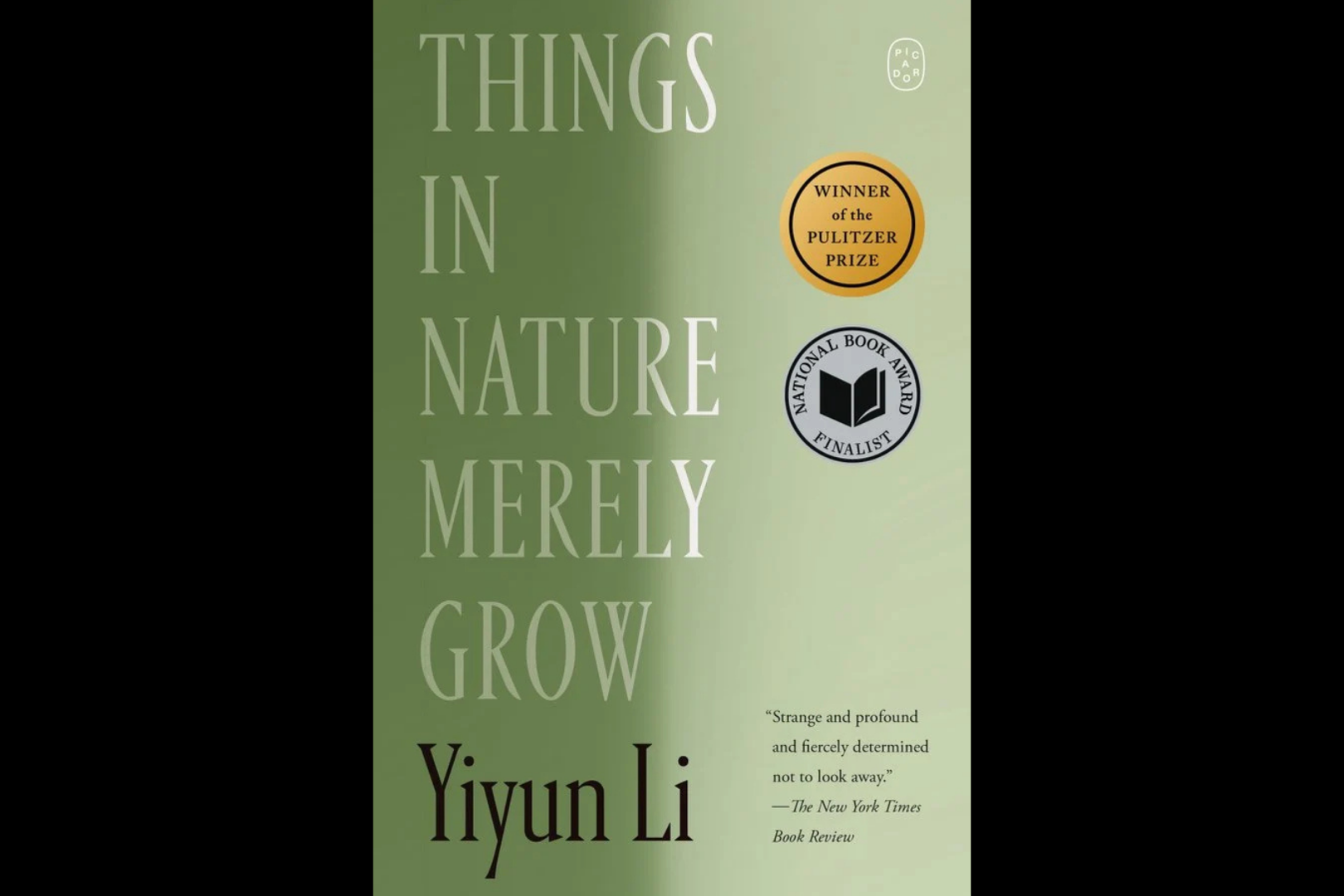
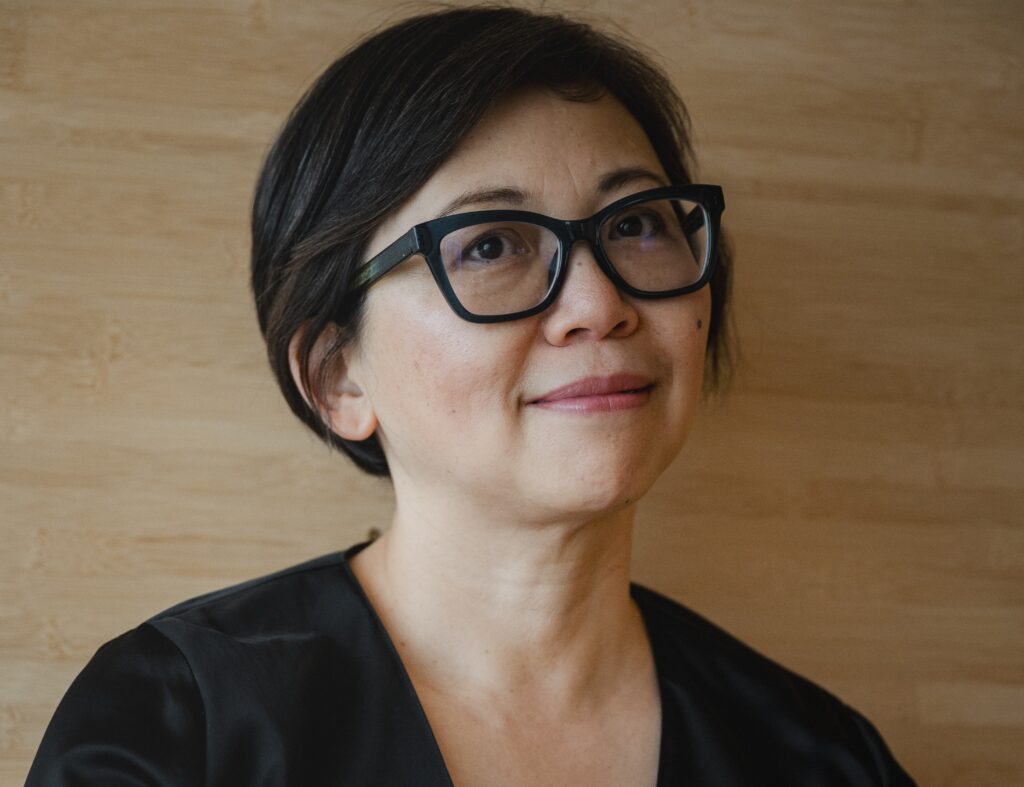
This week we have a powerful new book chapter annotation from Storyboard contributor Mallary Tenore Tarpley, who spoke with acclaimed author Yiyun Li about her memoir, “Things in Nature Merely Grow,” about the death of her teenage son, James, who died by suicide six years after her older son Vincent died the same way. The book won the 2026 Pulitzer Prize for Memoir or Autobiography.
When it comes to grieving, we are accustomed to speaking a common language. Li questions all of it, including the word “grief” itself, opting instead for the word “abyss.”
“Grief has become a convenient word in contemporary culture,” Li tells Tarpley. “People talk about grief or grieving as a process, with stages, with an end point, when a bereaved person ‘gets over’ the loss. All those things sound as though they bring hope but they are really dire for those bereaved, as they are constantly facing the demand from others to get over and to get to the finish line of grieving.
“Abyss to me is more natural a description. It’s not dire. The key is how to live in an abyss.”
Our deepest thanks to Li and Tarpley for sharing this story with us.
***
If you or someone you know is in crisis, please call, text or chat with the Suicide and Crisis Lifeline at 988, or contact the Crisis Text Line by texting TALK to 741741.
***
“This book will not provide a neat narrative arc, which some readers may hanker for: from hardship to triumph, from incomprehension to newly gained perception and wisdom, from suffering to transcendence. This book will not provide the easy satisfaction of fulfillment, inspiration, and transformation.”
[ Read the story ]
Links of note
- “[The Financial Times] has drawn its line clearly. AI can assist with journalism, but the journalism itself must be written by its journalists and editors.” Thanks to Storyboard editor emerita Jacqui Banaszynski for pointing us to this interesting Poynter piece about a case in which AI was used to summarize a columnist’s own writing and reporting. The piece includes Poynter’s “starter kit” for ethical AI use guidelines in the newsroom. (And you can find Nieman’s generative AI policy here.)
- “How to Build a Platform Before You’ve Finished Writing Your Book.” Literary agent and author Kate McKean at the Agents & Books newsletter tackles a common question for writers of both nonfiction and fiction: If having a “platform” is so important for writers working on books, how can they prioritize promotional channels like newsletters and social media accounts (while also finishing the actual book)? McKean has many more resources on the topic here.
- “Some pig.” Here’s an example of local storytelling generating a strong community response, courtesy of Tampa Bay Times writer (and former Storyboard podcast guest) Lane DeGregory. DeGregory wrote about a 300-lb. pig named Waddles, who was at the center of an animal cruelty trial in Pinellas County, Fla. Authorities charged the SPCA Tampa Bay with animal cruelty after Waddles suffered sunburns from baking in the Florida heat for two weeks. The agency was found not guilty, but the story led to an outpouring of love (and business ventures) including Waddles-inspired video games, meme coins, and a Waddles-themed drawing contest sponsored by the Times.
Keep connecting with your community, and keep sharing your stories,
Mark Armstrong
Editor
Nieman Storyboard
Follow the Nieman Storyboard Podcast
On Bluesky: @niemanstoryboard.org
Subscribe to Storyboard
Get insights into the craft of journalism and storytelling in your inbox, delivered on Fridays.