Sign up for the Nieman Storyboard newsletter, delivered every Friday in your inbox.
***
Dear Storyboard community:
What happens when a story subject agrees to let you completely into their life?
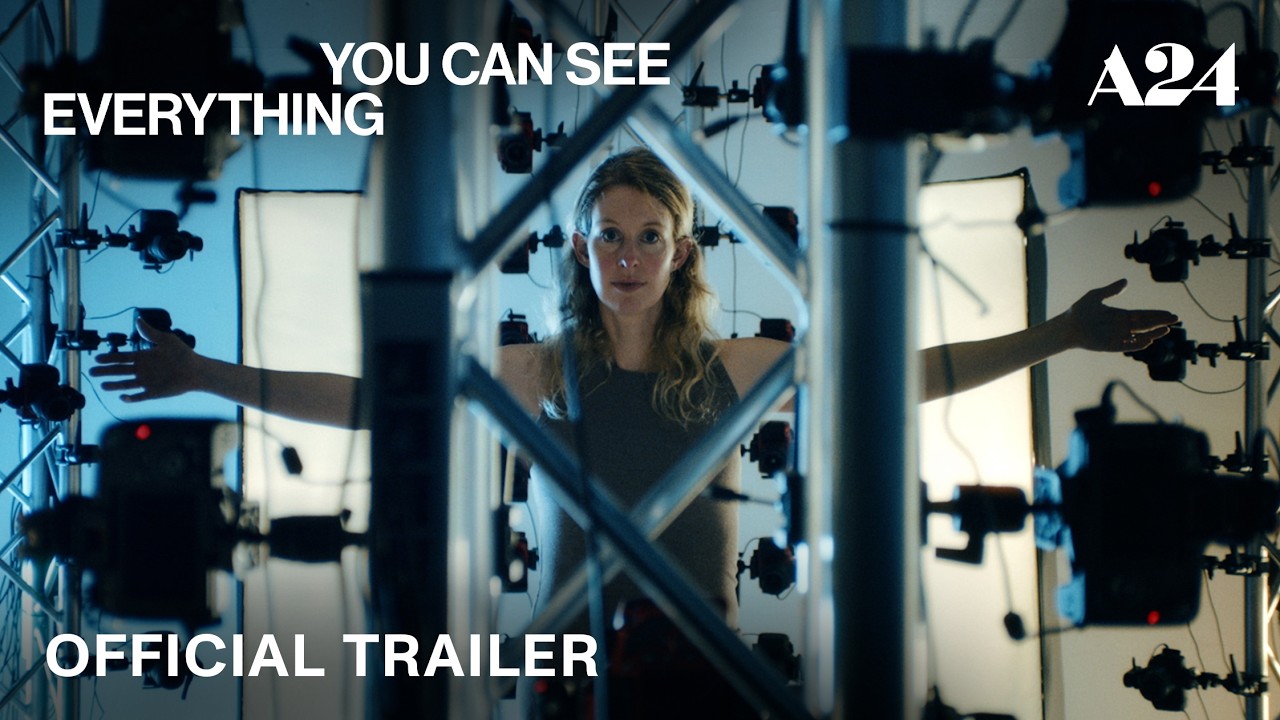
I was struck by this question twice this week: First, while watching the psychological thriller-like trailer for Nathan Fielder and Lance Oppenheim’s forthcoming documentary, “You Can See Everything,” in which Fielder moves in with disgraced Theranos founder Elizabeth Holmes to document her life with her partner and baby before she is sent to federal prison.
And second (in a perhaps less haunting way), while reading Seth Wickersham’s 15,000-word ESPN profile of Denver Broncos head coach Sean Payton, which we’re thrilled to feature as our latest story annotation. Storyboard contributor and Creative Nonfiction Podcast host Brendan O’Meara tells us that Wickersham spent two straight weeks, from morning to night, with Payton during the Broncos' 2025-26 NFL playoff run.
How can a journalist be thoughtful and strategic when it comes to obtaining that level of access? “Seth said he wanted to avoid ‘access porn,’” O’Meara tells me. “In a prior conversation we had on the podcast, [Wickersham said that] when it comes to doing this kind of journalism, it’s best to simply own up that you as the reporter are there for a reason; the source is granting you access for a reason. He doesn’t pretend to be Payton’s friend, though he’s civil and decent. He’s there for the story.”
The result, as O’Meara notes, is a profile “that reads like short fiction. … He sought to use his access to illustrate the cost — maybe even the futility — of a coach trying to control everything when, in the end, so little is actually controllable.”
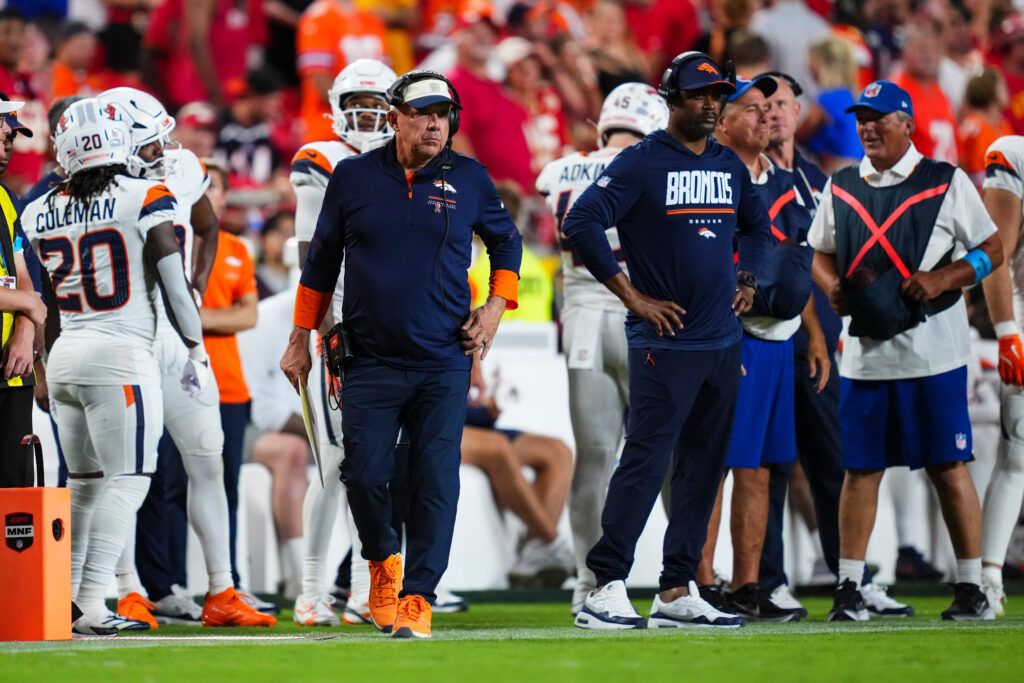
“When it was clear that the Broncos were going to make the playoffs, I knew that was what I wanted to do. Experience that run, energy and intensity, from the inside. I wanted to move to Denver for that entire run. I asked him what he’d think if I was there every day and he was like, ‘Perfect.’ It was a conversation based on trust and prior experience, not a sales pitch.”
[ Read the story ]
Links of note
- “In Fighting for Every Black Child, Did I Betray My Own?” If you haven’t already read it, be sure to spend time with Pulitzer Prize winner Nikole Hannah-Jones’s now-viral essay for The New York Times Magazine. Jones revisits, and questions with remarkable honesty and vulnerability, the decisions she made and wrote about in 2016 regarding her daughter’s education — including the choice to send her to the neighborhood public school, in a city where many schools are racially segregated with high rates of poverty. We’ve recently discussed the topic of journalists telling their own stories, and this one will stick with me as an outstanding example. Tell me what you think at editor@niemanstoryboard.org.
- The Power of the Personal Statement: At her Reported Essay newsletter, Storyboard contributor Erika Hayasaki speaks with Usha McFarling, Director of MIT’s Knight Science Journalism Program, about science writing and using journalism skills to tell a compelling story about yourself when applying for jobs or fellowships. “It’s almost like a great lede. You want to capture people in the first sentences. We do read through all the applications, but you want to capture someone in the beginning and tell us who you are. Be brave. Don’t be afraid.”
- Applications are now being accepted for the 2027 Stringer Awards. The cash awards support journalists and people in related fields who “courageously use public media to expose abuses of power and injustices that harm the public, while upholding the truth.” Vetted applicants also receive access to technological safety tools and mental health education as well as writing, photography, and other training opportunities. The deadline for applications is Dec. 31, 2026.
Keep seeking the truth, and keep sharing your stories,
Mark Armstrong
Editor
Nieman Storyboard
Follow the Nieman Storyboard Podcast
On Bluesky: @niemanstoryboard.org
Subscribe to Storyboard
Get insights into the craft of journalism and storytelling in your inbox, delivered on Fridays.