Sign up for the Nieman Storyboard newsletter, delivered every Friday in your inbox.
***
Dear Storyboard community,
The murkier, messier, and more distracting the internet gets for reading (and doomscrolling), the more I appreciate physical books — and, as an added bonus, getting to meet the authors in real life.
I recently attended events featuring several writers on Storyboard’s radar: In Seattle, Brendan O’Meara (host of the long-running Creative Nonfiction Podcast) read from his new book, “The Front Runner: The Life of Steve Prefontaine,” and was joined by fellow journalist Maggie Mertens, author of “Better Faster Farther.” And in New York, my podcast colleagues at Ursa (Deesha Philyaw, Dawnie Walton, and Kiese Laymon) sat down at The Center for Fiction with Lawrence Burney, author of the new essay collection “No Sense in Wishing,” and Carrie R. Moore, author of the short story collection “Make Your Way Home.”
The takeaways? Books are tremendous undertakings, and I’m continually awed by the people who bring them into the world. They require patience, endurance, and insight. And it’s more important than ever to meet IRL to remind ourselves that this work is ultimately about human connection.
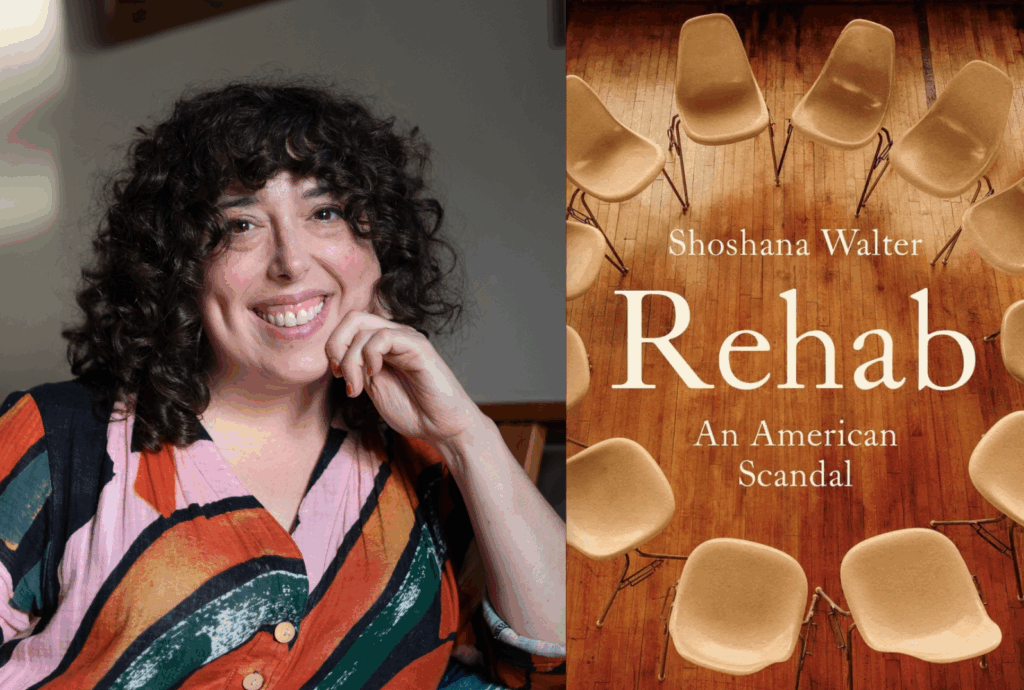
Behind every book, there may also be a book’s worth of material that didn’t get published. This week, Storyboard contributor Mallary Tenore Tarpley, author of the forthcoming memoir “Slip: Life in the Middle of Eating Disorder Recovery,” talks to fellow writers about how to handle research and writing that doesn’t make the finished project. As Marshall Project reporter Shoshana Walter (author of the forthcoming “Rehab”) told Tarpley:
“Writing a book taught me to be less precious about what I’ve written. A lot of shaping what you’re writing and what you’re saying comes from cutting words back until you discover what you’re really trying to say.”
[ Read the story ]
Links of note
- The Society for Features Journalism has announced the return of its national conference — its first since the pandemic — to be held Nov. 6-8, 2025, at Arizona State University’s Walter Cronkite School of Journalism and Mass Communication in Phoenix. Speakers will include Pulitzer Prize winners Eli Saslow and Lane DeGregory, and a special session with Storyboard contributor Kim Cross in conversation with Mark Warren about his Pulitzer-winning feature story for Esquire, “A Death in Alabama.”
- “How Trans Journalists Can Stay Safe and Well While Changing Their Bylines.” At The Open Notebook, O. Rose Broderick writes about the process of publicly changing their name, and how they did it: “Trying to figure out the vagaries of your gender identity while also sussing out the best strategy for communicating that identity to your employer, your colleagues, and scores of internet strangers is, well, hard, as I experienced recently. It’s a tricky decision, further complicated by the undeniable reality that trans people are living in a frightening time.”
- “How to Get Records the Criminal Justice System Doesn’t Want You to Have.” For The Marshall Project, investigative reporter Alysia Santo put together a step-by-step guide to requesting public records. “The best records requests are a result of your pre-reporting on the processes and documentation related to your investigation. For example, if you’re reporting on a specific incident, you might brainstorm a list of every agency involved that would have some kind of related record.”
- What’s in a background? “In recent years, I have heard more journalists refer to their own positionality, in considering potential biases or blindspots in reporting, or the ways in which their life experiences could enter into their work.” Another must-read by Erika Hayasaki on the question of “positionality” in what stories we decide to tell.
Keep sharing your stories,
Mark Armstrong
Editor
Nieman Storyboard
Follow the Nieman Storyboard Podcast
On Bluesky: @niemanstoryboard.org
Subscribe to Storyboard
Get insights into the craft of journalism and storytelling in your inbox, delivered on Fridays.
Follow the Nieman Storyboard Podcast
[ Follow us in Apple Podcasts, Spotify, or your favorite podcast app. ]